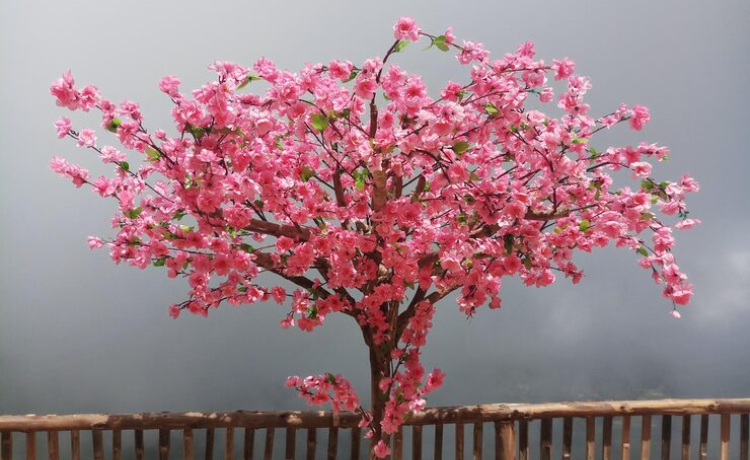
When planning a garden, few things create as much visual impact as a tree bursting with vibrant pink blossoms. A tree with pink flowers can transform any landscape, adding a touch of elegance, romance, and spectacular color. These trees are not just beautiful; they signal the arrival of spring, attract pollinators like bees and butterflies, and can become a stunning centerpiece for your yard. The sight of delicate pink petals against a bright blue sky is a reward that gardeners look forward to all year.
Choosing the right pink flowering tree can feel overwhelming with so many options available. They come in various shapes and sizes, from towering giants to petite, weeping varieties perfect for smaller spaces. Each tree has its own unique charm, bloom time, and care requirements. Understanding these differences is key to selecting a tree that will thrive in your specific climate and soil conditions, bringing you joy for years to come.
This guide will walk you through everything you need to know about the best pink flowering trees for your garden. We will explore popular varieties, provide tips for tree identification, and discuss their specific bloom times. You’ll also find essential advice on planting, care, and maintenance to ensure your tree remains healthy and beautiful. Whether you have a sprawling lawn or a cozy patio, there is a perfect tree with pink flowers waiting to enhance your outdoor space.
What Are the Best tree with pink flowers?
When gardeners search for the best tree with pink flowers, a few popular names consistently come up, each loved for its unique beauty and reliability. These flowering trees are celebrated for their stunning pink blossoms and their ability to create a dramatic statement in any landscape. Among the most sought-after are the Eastern Redbud, Pink Dogwood, various Crape Myrtle cultivars, and the iconic Flowering Cherry.
The Eastern Redbud (Cercis canadensis) is a North American native known for the tiny, magenta-pink flowers that appear in early spring, often directly on the branches and trunk. Its heart-shaped leaves emerge after the blooms, adding to its appeal. Pink Dogwood trees (Cornus florida var. rubra) are another classic choice, offering large, showy pink bracts (often mistaken for petals) in mid-spring. Crape Myrtles (Lagerstroemia species) are a favorite in warmer climates for their long-lasting, frilly pink flowers that bloom throughout the summer. Finally, Flowering Cherry trees (Prunus species) are perhaps the most famous spring-flowering trees, renowned for the breathtaking clouds of pink blossoms that symbolize the season’s arrival. These trees are popular not just for their flowers, but also for their varied forms, from majestic upright varieties to graceful weeping shapes, making them versatile choices for home gardens.
Pink Tree Identification: What Tree Is That?
Identifying a specific tree with pink flowers can be a rewarding experience for any gardener. To correctly perform a tree ID, you need to look beyond the blossoms and examine the tree’s other characteristics. Key features like bark, leaf shape, and flower arrangement offer important clues. Paying attention to these details will help you distinguish between different species, even when they are not in bloom.
The bark of a tree is a reliable identifier. For instance, the bark of a mature Flowering Cherry tree is often smooth with distinctive horizontal lines called lenticels, while a Pink Dogwood’s bark is blocky and resembles alligator skin. Leaf shape is another critical factor. Eastern Redbuds are easily recognized by their heart-shaped leaves, whereas Crape Myrtle leaves are typically oval or elliptical and have smooth edges.
The arrangement of the flowers themselves also provides vital information. Redbud flowers grow in tight clusters directly on the branches, a characteristic known as cauliflory. In contrast, Dogwood “flowers” are actually four large bracts surrounding a small, inconspicuous cluster of true flowers. Cherry blossoms usually hang in clusters, or umbels, from the branches. By combining observations of the bark, leaves, and flower structure, you can confidently identify the beautiful pink flowering tree in your yard or neighborhood.
When Do tree with pink flowers bloom?
Understanding the bloom time of pink flowering trees is essential for effective landscape planning. By selecting trees with different flowering seasons, you can enjoy a continuous display of pink blossoms from early spring through the summer months. The timing of a tree’s bloom is influenced by its species, cultivar, and the local climate, but most follow a predictable seasonal pattern.
Early spring is heralded by the vibrant blossoms of trees like the Eastern Redbud and some varieties of Magnolia, which often flower on bare branches before their leaves emerge. This creates a striking contrast and makes them one of the first signs of the changing season.
As the weather warms in mid-spring, trees like the Pink Dogwood and many varieties of Flowering Cherry take center stage. Their profuse blooms create the iconic springtime scenery that is beloved around the world. These trees often represent the peak of the spring flowering season, filling gardens with dense clouds of pink.
Late spring and early summer bring the flowering of trees like certain cultivars of Crabapple and the beginning of the Crape Myrtle season. Crape Myrtles are particularly valued in warmer regions because their blooming period can extend all the way through summer, providing color long after other spring-flowering trees have finished. Choosing a mix of these trees ensures your garden has a splash of pink for many months of the year.
Care Tips for tree with pink flowers
Proper care is crucial to ensure your tree with pink flowers remains healthy and produces a spectacular show of blooms each year. General tree care involves providing adequate water, sunlight, and nutrients, as well as performing timely maintenance like pruning. Each tree species has unique requirements, so it’s important to understand the specific needs of the tree you choose.
Most pink flowering trees thrive in full sun, which means they need at least six hours of direct sunlight each day to produce abundant flowers. Well-draining soil is also a must, as waterlogged roots can lead to root rot and other diseases. During the first few years after planting, regular watering is essential to help the tree establish a strong root system. Once established, many trees are relatively drought-tolerant but will benefit from deep watering during prolonged dry spells.
Pruning is an important aspect of tree maintenance. It should be done at the right time of year to avoid cutting off the developing flower buds. For most spring-flowering trees, the best time to prune is right after they have finished blooming. This allows the tree plenty of time to develop new growth and set buds for the following year. Fertilization practices vary, but a slow-release fertilizer applied in early spring can provide the necessary nutrients for healthy growth and vibrant flowers. Be vigilant for common tree pests and diseases, such as aphids or powdery mildew, and address them promptly to keep your tree healthy.
The Best Pink Flowering Trees for Different Garden Sizes
No matter the size of your garden, there is a pink flowering tree that will fit perfectly. For those with limited space, selecting compact or dwarf varieties is key to enjoying beautiful blooms without overwhelming the yard. Conversely, larger gardens can accommodate majestic, full-sized trees that create a grand statement.
For small gardens, patios, or container planting, dwarf ornamental trees are an excellent choice. The Weeping Cherry Tree (Prunus pendula) is a popular option, with its graceful, cascading branches covered in pink blossoms. Dwarf Flowering Cherry trees are also available, offering the same stunning floral display on a much smaller scale. Some cultivars of Crape Myrtle are bred to remain compact and can be grown as large shrubs or small trees, making them ideal space-saving trees for sunny spots.
If you have a larger yard, you can choose from a wider array of full-sized pink flowering trees. A classic Flowering Cherry or a majestic Pink Magnolia can serve as a magnificent focal point. The Eastern Redbud can also grow into a medium-sized tree, providing a beautiful canopy of pink in the spring. When selecting a tree for a large space, consider its mature size and shape to ensure it has enough room to grow without crowding other plants or structures.
How to Plant and Maintain tree with pink flowers
Planting a tree correctly is the first step toward ensuring its long-term health and beauty. The best time to plant most pink flowering trees is in the fall or early spring, which gives the root system time to establish before the stress of summer heat or winter cold. Following proper planting instructions will set your tree up for success from day one.
First, dig a hole that is two to three times as wide as the root ball and just as deep. This provides ample space for the roots to spread out. Carefully remove the tree from its container and gently loosen any circling roots. Place the tree in the center of the hole, ensuring the top of the root ball is level with or slightly above the surrounding ground. Backfill the hole with the original soil, tamping it down gently to remove air pockets. Water the tree thoroughly immediately after planting to settle the soil and hydrate the roots.
Ongoing maintenance is vital for a thriving tree. Apply a layer of mulch around the base of the tree, keeping it a few inches away from the trunk. Mulch helps retain soil moisture, suppress weeds, and regulate soil temperature. A consistent watering schedule is particularly important during the first couple of years. Check the soil moisture regularly and water deeply when the top few inches feel dry. Monitor your tree’s health, watching for signs of stress or disease, and continue to prune as needed to maintain its shape and vigor.
Common Problems and Solutions with Pink Flowering Trees
Even with the best care, pink flowering trees can sometimes face problems with pests, diseases, or environmental stress. Identifying these common tree problems early and applying the right solutions is key to keeping your trees healthy and beautiful.
Pests like aphids, spider mites, and Japanese beetles can infest trees, feeding on leaves and flowers. Aphids can often be controlled by spraying them off with a strong jet of water or by introducing beneficial insects like ladybugs. For more severe infestations, insecticidal soap or horticultural oil may be necessary.
Diseases such as powdery mildew, which appears as a white, powdery coating on leaves, and root rot, caused by overly wet soil, are common issues. Powdery mildew can be managed by ensuring good air circulation around the tree and applying a fungicide if needed. To prevent root rot, always plant trees in well-draining soil and avoid overwatering.
Other common tree problems can relate to poor flowering or slow growth. This can be caused by insufficient sunlight, improper pruning (cutting off flower buds), or a lack of nutrients. To troubleshoot these issues, assess the tree’s growing conditions. Ensure it receives at least six hours of direct sun. Fertilize in the spring if a soil test indicates a nutrient deficiency. Prune spring-flowering trees immediately after they finish blooming to avoid impacting the next season’s flowers. By proactively managing these issues, you can help your pink flowering tree thrive for years to come.
Landscaping Ideas Using tree with pink flowers
Incorporating tree with pink flowers into your landscape design can create a stunning and cohesive garden. These trees can serve as a focal point, a backdrop for other plants, or part of a larger, colorful composition. Creative tree placement and thoughtful companion planting are key to maximizing their aesthetic impact.
One popular landscaping idea is to use a pink flowering tree as a centerpiece in your front yard or a central garden bed. A single, well-placed Weeping Cherry or Pink Dogwood can draw the eye and become the star of your spring garden. Surround the base of the tree with complementary spring-blooming bulbs like tulips, daffodils, or hyacinths in shades of white, purple, or yellow to create a vibrant display.
For a more immersive flower garden experience, consider planting a grove of pink flowering trees, such as several Flowering Cherries or Redbuds, to create a breathtaking canopy of color. Underplant them with shade-tolerant perennials like hostas, ferns, and astilbes, which will provide lush green foliage long after the pink blooms have faded. You can also use pink flowering trees to frame a doorway, line a driveway, or soften the corners of your house. The versatility of these beautiful trees allows for endless creative possibilities in garden landscaping.
You will also like to read: “tree with white flowers“
Create Your Blooming Paradise
From the delicate blossoms of a Weeping Cherry to the bold statement of a Pink Magnolia, tree with pink flowers offer something for every garden. We’ve journeyed through how to identify, plant, and care for these stunning trees, and explored the best options for gardens of all sizes. By choosing a tree that suits your climate and space, and by providing it with the right care, you can create a breathtaking display of color that will be a source of joy for many years.
These trees do more than just add beauty to your landscape; they connect us with the changing seasons and support local ecosystems by providing food and shelter for pollinators. The investment of time and care in planting a tree pays off tenfold in the beauty and tranquility it brings to your outdoor space.
Frequently Asked Questions
What is the best tree with pink flowers for a small garden?
For small gardens, dwarf or weeping varieties are excellent choices. The Weeping Cherry (Prunus pendula) is a popular option due to its graceful, cascading form. Dwarf Crape Myrtles and certain compact cultivars of Flowering Crabapple also fit well in tight spaces while providing a beautiful display of pink flowers.
How do I identify a tree with pink flowers?
To identify a pink flowering tree, look at its bark, leaf shape, and the structure of its flowers. For example, Flowering Cherries often have smooth bark with horizontal lines (lenticels), while Pink Dogwoods have blocky, alligator-like bark. Eastern Redbuds are known for their heart-shaped leaves and flowers that grow directly on the branches.
When should I prune my pink flowering tree?
The best time to prune most spring-flowering trees is right after they finish blooming. Pruning at this time allows the tree to heal and develop new buds for the following season. Pruning too late in the year or in winter can risk cutting off the flower buds that have already formed.
What are some common diseases that affect pink flowering trees?
Common diseases include powdery mildew, which appears as a white coating on leaves, and root rot from overwatering or poorly draining soil. Fungal leaf spots can also be an issue. Proper watering, good air circulation, and planting in well-draining soil are key preventive measures.
What kind of tree has pink flowers in early spring?
Several trees bloom with pink flowers in early spring. The Eastern Redbud (Cercis canadensis) is one of the first, often flowering on bare branches. Certain varieties of Magnolia, such as the Saucer Magnolia (Magnolia × soulangeana), also produce large, pinkish-purple flowers early in the season.
Are there any pink flowering trees that bloom in the summer?
Yes, the Crape Myrtle (Lagerstroemia) is a well-known summer-blooming tree that produces large clusters of frilly pink flowers. It thrives in warmer climates and can bloom from late spring all the way through the summer, providing long-lasting color.
How much sun do pink flowering trees need?
Most pink flowering trees require full sun, meaning at least six hours of direct sunlight per day. Adequate sunlight is essential for promoting vigorous growth and producing an abundant display of flowers. Some trees, like the Dogwood, can tolerate partial shade, but may not bloom as prolifically.