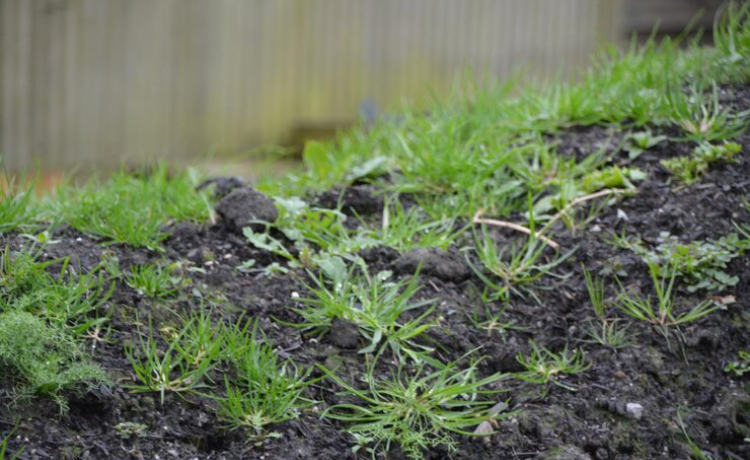
A lush, green lawn is the cornerstone of a beautiful landscape, but achieving it requires more than just regular watering and mowing. The real secret lies beneath the surface in the soil. The quality of your lawn soil is the single most important factor determining the health and appearance of your grass. A well-nourished soil foundation provides the essential nutrients, proper drainage, and strong root support your turf needs to thrive.
Understanding the role of soil is fundamental to effective lawn care. Healthy soil acts as a reservoir of nutrients, a sponge for moisture, and an anchor for a deep, resilient root system. When your soil is in optimal condition, your lawn becomes more vibrant, requires less maintenance, and develops a natural resistance to common problems like pests, diseases, and drought. This guide will walk you through everything you need to know about lawn soil, from identifying its key characteristics to preparing, improving, and maintaining it for long-term success. By the end, you’ll have the knowledge to cultivate a lawn that is not just green, but truly healthy from the ground up.
What is Lawn Soil?
When starting a lawn project, it’s easy to assume that all soil is the same. However, the soil you use for your lawn is fundamentally different from what you might use in a vegetable patch or flower bed. Understanding these distinctions is crucial for promoting healthy grass growth.
Lawn soil is a specialized blend designed to create the ideal environment for turfgrass. It is typically a type of topsoil formulated to provide a balance of drainage and moisture retention. Unlike standard garden soil, which is often rich in organic matter to support the deep roots of vegetables and flowers, lawn soil is formulated to be less dense. This allows the fine, fibrous roots of grass to spread easily and establish a strong network. Garden soil can sometimes hold too much moisture for grass, leading to root rot and fungal diseases.
Topsoil, on the other hand, is a more general term referring to the uppermost layer of soil, usually the top 2 to 8 inches. While you can use high-quality topsoil for a lawn, “lawn soil” is specifically mixed to meet the needs of turf. These blends often contain a precise ratio of sand, silt, and clay, along with starter fertilizers and other amendments to give new grass seedlings the best possible start. In essence, while all lawn soil is topsoil, not all topsoil is optimized to be lawn soil.
Characteristics of Good Lawn Soil
The perfect lawn soil has a specific set of characteristics that work in harmony to support a thriving turf. The three most important factors are soil texture, composition, and pH level.
Soil Texture and Composition
The ideal texture for lawn soil is loamy and friable. A friable soil is one that crumbles easily in your hand, indicating a healthy structure that is not overly compacted. This texture comes from a balanced composition of sand, silt, and clay. Sand particles are large and allow for excellent drainage and aeration. Silt particles are medium-sized and help retain moisture and nutrients. Clay particles are very fine and, while nutrient-rich, can lead to compaction and poor drainage if present in high amounts.
A loamy soil the gold standard for most plants, including grass contains roughly 40% sand, 40% silt, and 20% clay. This blend provides the best of all worlds: it holds enough moisture for the grass roots to access, drains well enough to prevent waterlogging, and contains enough air pockets for roots to breathe and grow. According to research from institutions like the University of Maryland Extension, this balanced structure is key to developing a deep and extensive root system, which is essential for a drought-resistant and durable lawn.
Soil pH
Soil pH is a measure of its acidity or alkalinity on a scale of 0 to 14. A pH of 7.0 is neutral, below 7.0 is acidic, and above 7.0 is alkaline. The pH level of your lawn soil is critical because it directly affects the grass’s ability to absorb essential nutrients. Even if your soil is packed with nutrients, an improper pH can “lock” them away, making them unavailable to the plant roots.
Most turfgrass species thrive in a slightly acidic soil with a pH between 6.0 and 7.0. When the pH is too low (acidic), nutrients like nitrogen, phosphorus, and potassium become less available. When it’s too high (alkaline), iron and manganese can become inaccessible. You can determine your soil’s pH with a simple soil test kit available at garden centers or by sending a sample to a local cooperative extension for a more detailed analysis. If your soil is too acidic, you can raise the pH by applying lime. If it’s too alkaline, adding elemental sulfur or sphagnum peat moss can help lower it.
Preparing Lawn Soil Before Seeding or Sodding
Proper preparation is a non-negotiable step for establishing a healthy, long-lasting lawn. Before you lay a single seed or sod roll, you must create a receptive and nurturing environment for the new grass.
Soil Testing and Assessment
The first step is to understand what you’re working with. A comprehensive soil test will provide a detailed report on your soil’s pH, nutrient levels (like phosphorus, potassium, and nitrogen), and organic matter content. This information is invaluable, as it allows you to address specific deficiencies with targeted soil amendments rather than guessing. You’ll know exactly what your soil needs to support vigorous grass growth.
Removing Debris and Weeds
Next, clear the entire area of any debris. This includes rocks, sticks, construction waste, and any existing vegetation like old grass and weeds. For weeds, it’s important to remove them completely, roots and all. Using a non-selective herbicide can be effective for large areas, but be sure to follow the product’s instructions carefully and wait the recommended period before planting new grass. A clean slate prevents competition for nutrients, water, and sunlight, giving your new lawn the best chance to establish itself.
Aeration and Grading
Over time, soil can become compacted from foot traffic, heavy equipment, or even rainfall. Compaction squeezes the air pockets out of the soil, restricting root growth and water infiltration. Aeration is the process of loosening this compacted soil. For new lawns, tilling the top 4-6 inches with a rototiller is an effective way to break up compaction and mix in amendments. For existing lawns, core aeration, which pulls small plugs of soil out, is the preferred method.
After tilling, the next step is grading. Proper grading ensures your lawn is level and has a gentle slope away from your home’s foundation to prevent water from pooling. Use a rake to level out high spots and fill in low areas. This process might take time and a careful eye, but it’s essential for achieving a uniform lawn and ensuring proper drainage across the entire area.
How to Improve Lawn Soil
Even if your native soil isn’t perfect, you can significantly improve its quality with the right soil amendments. This process involves adding materials to your soil to enhance its structure, nutrient content, and water-holding capacity.
Soil Amendments for Better Grass Growth
Organic matter is the key to transforming poor soil. Adding materials like compost, aged manure, or peat moss will work wonders on almost any soil type. In heavy clay soil, organic matter helps separate the fine clay particles, improving drainage and aeration. In sandy soil, it acts like a sponge, increasing moisture and nutrient retention. A 2022 study highlighted that compost amendments can increase soil microbial activity, which is crucial for nutrient cycling and overall soil health. Aim to incorporate a 2- to 3-inch layer of high-quality compost into the top 4-6 inches of your soil before planting.
Soil conditioners are another valuable tool. These can include products like gypsum, which helps break up compacted clay soil, or biochar, which improves water retention and provides a habitat for beneficial soil microbes.
Fixing Poor Lawn Soil
Different soil problems require different solutions. If you have heavy clay soil that stays soggy, incorporate coarse sand and compost to improve its structure. For sandy soil that drains too quickly, adding peat moss and compost will help it hold onto more water. If your soil test reveals a low pH, it’s a sign of acidity, which can be corrected with lime. Conversely, high pH (alkalinity) can be lowered with sulfur. Topdressing, which is the practice of spreading a thin layer of compost or a sand-compost mix over an existing lawn, is an excellent way to gradually improve soil quality over time without major renovations.
Common Lawn Soil Problems and How to Solve Them
Even established lawns can develop soil-related issues. Identifying and addressing these problems promptly will keep your turf healthy and resilient.
Compact Soil and Poor Drainage
Soil compaction is one of the most common and damaging lawn problems. It prevents water, air, and nutrients from reaching the grass roots, leading to thinning turf and poor growth. If you notice water pooling on your lawn after rain or find it difficult to insert a screwdriver into the ground, you likely have compacted soil. The most effective solution is core aeration, which should be done annually in high-traffic areas. This practice creates channels that allow air and water to penetrate deep into the root zone.
Bare Spots and Thin Grass
Bare or thinning patches in your lawn are often symptoms of underlying soil issues. These spots can be caused by compaction, poor nutrient levels, insect damage, or simply a soil type that doesn’t support grass growth. To fix them, first address the root cause. Aerate the area, and then amend the soil with compost to improve its structure and fertility. Once the soil is prepared, you can re-seed the patch. Make sure to keep the newly seeded area consistently moist until the grass is well-established.
Inadequate Nutrient Levels
If your lawn appears yellow or grows slowly despite adequate watering, it might be suffering from a nutrient deficiency. A soil test will confirm which nutrients are lacking. Nitrogen promotes lush, green foliage; phosphorus supports strong root development; and potassium enhances overall resilience to stress. Based on your soil test results, you can select a fertilizer that provides the right balance of these nutrients. Applying a slow-release fertilizer according to the manufacturer’s directions will feed your lawn steadily over time.
Maintaining Lawn Soil Health Over Time
Great soil isn’t a one-time achievement; it requires ongoing care to maintain its health and fertility season after season.
Regular Soil Testing and Maintenance
To stay ahead of potential problems, test your soil every two to three years. This will help you monitor pH and nutrient levels and make targeted adjustments as needed. Seasonal care is also important. For example, aerating in the fall helps prepare the lawn for winter, while a light topdressing with compost in the spring can provide a nutrient boost for the growing season.
Preventing Soil Erosion and Water Retention Issues
On sloped areas, soil erosion can wash away valuable topsoil and nutrients. Maintaining a dense, healthy turf is the best defense against erosion, as the root system holds the soil in place. Mulching around trees and in garden beds can also help. Proper watering techniques are key for water retention. Water your lawn deeply but infrequently about 1 inch of water per week, applied in one or two sessions. This encourages deep root growth, making the lawn more drought-tolerant and efficient at using available moisture.
Also Read: “clover seeds for lawn“
Your Foundation for a Flawless Lawn
Achieving a beautiful, healthy lawn begins with the soil. By understanding the characteristics of good lawn soil and taking the necessary steps to prepare and maintain it, you are creating the perfect foundation for your grass to flourish. From balancing pH and improving texture with amendments to regular aeration and testing, every action you take to enhance your soil contributes to a more resilient, vibrant, and lower-maintenance lawn. The effort you invest in your soil will be rewarded tenfold with a lush carpet of green that you can enjoy for years to come.
If you’re ready to transform your lawn but aren’t sure where to start, our experts are here to help. Contact us for professional lawn care services, including detailed soil testing and customized improvement plans tailored to your yard’s specific needs.
Frequently Asked Questions
What is the best soil for lawns?
The best soil for lawns is a loamy soil, which has a balanced mix of sand, silt, and clay. This composition allows it to retain adequate moisture and nutrients while still providing good drainage and aeration for healthy root growth. A good lawn soil should also have a slightly acidic pH, typically between 6.0 and 7.0, to ensure optimal nutrient uptake for the grass.
How do I improve my soil for grass?
To improve your soil for grass, start with a soil test to identify any deficiencies in pH and nutrients. The most effective way to improve almost any soil type is by adding organic matter, such as compost or aged manure. This helps improve structure, water retention, and nutrient content. If your soil is heavily compacted, core aeration is essential to loosen it up and allow air and water to reach the roots. For specific issues like high acidity, add lime; for high alkalinity, add sulfur.
Can I use garden soil for my lawn?
It is generally not recommended to use garden soil for establishing a new lawn. Garden soils are typically much richer in organic matter and are designed to hold more moisture to support vegetables and flowers. This can be detrimental to grass, as it may lead to a shallow root system and increase the risk of fungal diseases and root rot. Lawn soil is specifically formulated with a different texture to support the fine, fibrous root system of turfgrass.
How often should I aerate my lawn soil?
The frequency of aeration depends on your soil type and the amount of foot traffic your lawn receives. For heavy clay soils or lawns with high traffic, it is best to aerate annually. For sandy soils or lawns with low traffic, aerating every two to three years is usually sufficient. The best time to aerate cool-season grasses (like fescue) is in the early fall, while warm-season grasses (like Bermuda) should be aerated in late spring or early summer.
Why does my lawn have bare spots, and how can I fix them?
Bare spots in a lawn can be caused by a variety of issues, including heavy foot traffic, soil compaction, poor nutrient levels, insect infestations, pet urine, or fungal diseases. To fix them, first, identify and address the underlying cause. Then, prepare the spot by removing any dead grass and debris and loosening the soil with a rake. Amend the soil by mixing in a layer of compost to improve its quality. Finally, spread grass seed evenly over the area, gently rake it in, and keep the soil consistently moist until the new grass is well-established.