Few things frustrate a homeowner quite like stepping out to admire a freshly mowed lawn, only to see patches of white flowers and three-leaf clusters interrupting the green expanse. Clover is one of the most persistent lawn weeds, often appearing overnight and spreading rapidly if left unchecked. While some view it as a harmless ground cover, for others, it represents a disruption to the uniform, carpet-like aesthetic of a well-maintained yard. Getting rid of clover requires more than just pulling up a few stems. It involves understanding why it arrived in the first place. This weed is an opportunist that thrives in conditions where your grass is struggling. By addressing the root causes often related to soil health and maintenance habits you can not only remove existing clover but prevent it from returning. This guide explores effective methods of how to get rid of clover grass on lawn ranging from natural solutions to chemical treatments, ensuring you have the knowledge to reclaim your turf.
Understanding Clover in Your Lawn
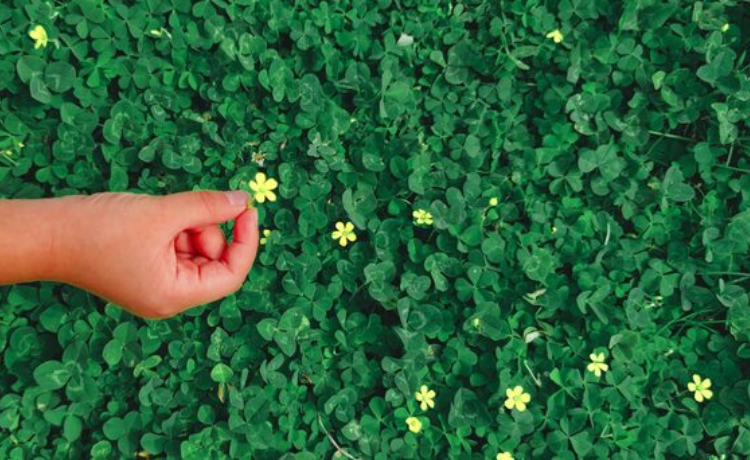
Before attempting removal, it is helpful to understand exactly what you are dealing with. Clover is a perennial weed that belongs to the legume family. The most common variety found in residential lawns is white clover (Trifolium repens), characterized by its white, ball-shaped flowers and three distinct leaflets. You might also encounter red clover or micro clover, though white clover is the most prevalent invader in suburban yards.
Clover takes over lawns primarily because it has a unique survival mechanism that turfgrass lacks. It can pull nitrogen from the air and store it in its roots. This evolutionary advantage means clover thrives in low-nitrogen soil where standard grass struggles to survive. If you see clover spreading, it is often a signal that your lawn is nutrient-deficient. Additionally, clover flourishes in compacted soil and areas where the turf is thin, allowing sunlight to reach the soil surface and germinate weed seeds.
Is Clover Bad for Your Lawn?
The debate over whether clover is a friend or foe is ongoing. Ecologically speaking, clover has benefits. It attracts pollinators like bees and naturally adds nitrogen to the soil, which can actually help surrounding plants. For homeowners who prefer a wilder, more natural landscape, clover is often a welcome addition that requires less water than traditional grass.
However, for those aiming for a pristine, monoculture lawn, clover is problematic. It has a different texture and growth rate than grass, creating an uneven appearance. It creates slippery patches when wet and stains clothing more easily than grass. Furthermore, if you have children or pets running barefoot, the bees attracted to clover flowers pose a stinging risk. If your goal is a uniform, durable playing surface, learning how to remove clover is essential.
How to get rid of clover grass on lawn: Natural Methods
Many homeowners prefer to start with chemical-free options, especially if they have pets or children using the yard. These methods require more physical effort and patience but can be highly effective for smaller infestations.
Vinegar and Dish Soap Solution
A popular homemade clover spray involves mixing white vinegar with a small amount of dish soap. The vinegar acts as a desiccant, drying out the leaves, while the soap helps the solution stick to the plant. You can mix one cup of vinegar with a cup of water and a drop of dish soap in a spray bottle. Shake it well and spray it directly onto the clover patches on a sunny, windless day. Be very careful with your aim, as this mixture is non-selective and will harm any grass it touches. It may take multiple applications to kill the root system entirely.
Smothering the Clover
If you have isolated patches of clover, you can deprive them of sunlight. Placing a piece of black plastic or cardboard over the patch and weighing it down with rocks effectively kills the plant. This method usually takes a few weeks. The downside is that it will also kill the grass underneath, leaving you with a bare spot that will need reseeding.
Hand-Pulling
For small lawns or minor outbreaks, hand-pulling remains a viable option. The key is to loosen the soil around the base of the plant first to ensure you remove the entire root system. Clover spreads via stolons (creeping stems), so if you leave pieces of the root behind, it is likely to grow back. This method is most effective after a rain shower when the soil is soft and pliable.
Maintaining High Mowing Height
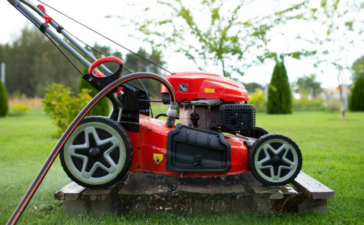
One of the simplest natural controls is adjusting your mower blade. Clover is a low-growing plant that relies on sunlight. By mowing your grass at a higher setting (around 3 to 3.5 inches), the taller grass blades cast shade over the clover, inhibiting its growth. This also encourages deeper root growth for your grass, making it more competitive against weeds.
Improve Soil Nitrogen
Since clover thrives in nitrogen-poor soil, applying a nitrogen-rich organic fertilizer is a powerful deterrent. By boosting the nitrogen levels, you fuel the growth of your grass while creating an environment where clover loses its competitive advantage. Over time, a well-fed lawn will naturally crowd out the clover without the need for harsh chemicals.
How to get rid of clover grass on lawn: Chemical Methods
For widespread infestations where natural methods are impractical, chemical herbicides offer a faster and more comprehensive solution.
Selective Herbicides
The most effective way to kill clover without harming your lawn is to use a selective broadleaf herbicide. Look for products containing active ingredients like 2,4-D, Dicamba, Mecoprop (MCPP), or Triclopyr. These chemicals target broadleaf weeds specifically and leave grass unharmed when used according to the label. It is best to apply these when the clover is actively growing in the spring or fall.
Weed and Feed Products
“Weed and feed” products combine fertilizer with a pre-emergent or post-emergent herbicide. This approach attempts to feed the grass while killing the weeds simultaneously. While convenient, timing is critical. You must apply these products when the clover is present and the grass is wet (usually from morning dew) so the granules stick to the weed leaves.
Spot Treatment Strategy
Regardless of the chemical used, spot treatment is generally preferred over blanket spraying the entire lawn. By using a sprayer to target only the clover patches, you minimize the amount of chemical introduced into the environment and reduce stress on your turfgrass. Always wear protective gear and avoid spraying on windy days to prevent drift onto desirable plants or garden beds.
Long-Term Prevention: Stopping Clover Regrowth
Removing the existing clover is only half the battle. To ensure it does not return, you must alter the conditions that allowed it to thrive.
Lawn Thickening Strategies
A dense, thick lawn is your best defense against any weed. Overseeding your lawn in the fall fills in bare spots where clover might otherwise take hold. Aerating the soil once a year relieves compaction, allowing water and nutrients to reach grass roots effectively. Topdressing with compost can also improve soil structure.
Fertilization Schedule
Maintaining a consistent fertilization schedule is crucial. Using a slow-release nitrogen fertilizer ensures your grass has a steady supply of nutrients throughout the growing season. A standard plan involves feeding the lawn in early spring, late spring, summer, and fall. This keeps the grass vigorous and capable of outcompeting weeds.
Proper Watering Practices
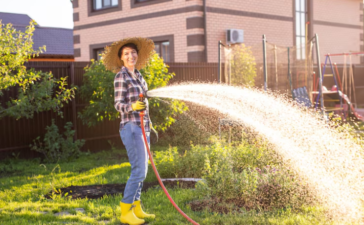
Shallow, frequent watering encourages shallow roots, which makes grass weak and susceptible to invasion. Instead, water your lawn deeply and infrequently. Aim for about one inch of water per week, applied in one or two sessions. This encourages grass roots to grow deep into the soil, while clover, with its shallower root system, struggles to compete during dry spells.
Maintaining Lawn pH
Soil pH plays a significant role in weed control. Most turfgrasses prefer a pH between 6.0 and 7.0. If your soil is too acidic or too alkaline, your grass cannot absorb nutrients effectively, leaving it weak. You can purchase a simple soil test kit from a garden center. If the pH is off, adding lime (to raise pH) or sulfur (to lower pH) can restore balance and promote a healthier lawn.
Troubleshooting Common Clover Problems
Sometimes, despite your best efforts, clover persists. If clover spreads rapidly even after treatment, double-check your soil fertility. It is highly likely that nitrogen levels are still too low. If brown patches appear after chemical treatment, you may have applied the herbicide when the temperature was too high (above 85°F), causing stress to the grass. If clover returns immediately after herbicide use, check the product label; some tough varieties require a second application or a different active ingredient like Triclopyr.
FAQs
What kills clover but not grass?
Selective broadleaf herbicides are designed to kill clover without harming turfgrass. Look for products containing ingredients like 2,4-D, Dicamba, Mecoprop, or Triclopyr. These chemicals disrupt the growth of broadleaf plants while leaving grass unaffected. Always read the label to ensure the product is safe for your specific type of grass.
Why is clover so hard to get rid of?
Clover is difficult to eradicate because it spreads through stolons (creeping stems) above ground and rhizomes below ground. It is also a perennial, meaning it comes back year after year. Furthermore, its ability to generate its own nitrogen allows it to survive in poor soil conditions where grass becomes weak and thin.
Will overseeding help get rid of clover?
Overseeding itself does not kill existing clover, but it is a vital part of a long-term control strategy. By introducing new grass seed into thin areas, you increase the density of the turf. A thick, healthy lawn crowds out weeds and blocks the sunlight that clover seeds need to germinate.
Will vinegar kill grass too?
Yes, vinegar is a non-selective herbicide. The acetic acid in vinegar burns the foliage of any plant it touches, including grass. If you use a vinegar solution to control clover, you must apply it very carefully directly onto the weed leaves to avoid damaging the surrounding turf.
Does fertilizer alone kill clover?
Fertilizer does not kill clover directly, but it creates an environment where clover is less likely to succeed. Since clover thrives in low-nitrogen soil, adding a nitrogen-rich fertilizer strengthens the grass. Strong, fast-growing grass will eventually outcompete the clover for sunlight and water, reducing the clover population over time.
How long does it take to remove clover?
The timeline depends on the method used. Chemical herbicides typically show results within a few days, with the plant dying off completely in two to three weeks. Natural methods like vinegar or smothering may take slightly longer. However, permanent removal requires a full growing season of improved maintenance practices like fertilization and overseeding to prevent regrowth.
Should I pull the clover by hand?
Hand-pulling is effective for small, isolated patches, but it can be labor-intensive for larger infestations. If you choose to pull it, wait until the soil is moist, and ensure you remove the entire root system. If the roots break off in the soil, the plant will likely regenerate.
You would also like: “clover seeds for lawn“
Conclusion
Getting rid of clover in your lawn is a process that moves from immediate removal to long-term prevention. Whether you choose the speed of selective herbicides or the safety of natural remedies like vinegar and hand-pulling, the initial step is only the beginning. The true secret to a clover-free yard lies in soil health. By maintaining proper nitrogen levels, mowing at the right height, and keeping the soil aerated, you create an environment where grass thrives and weeds struggle. With consistent care and the right knowledge, you can transform a patchy, weed-filled yard into the lush, uniform lawn you desire.