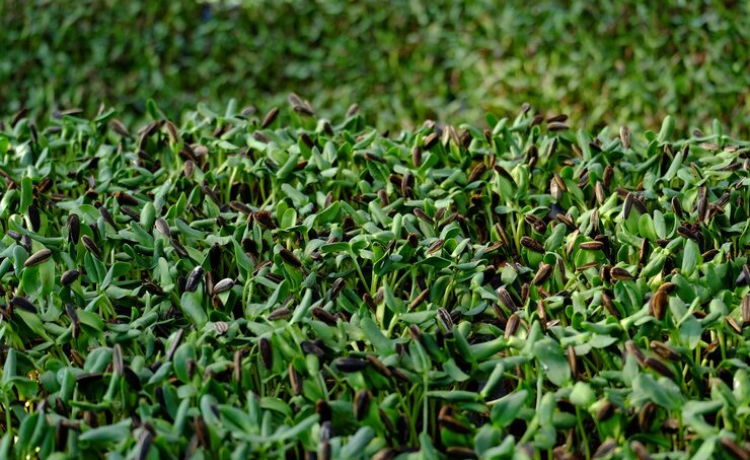
If you’re tired of the endless cycle of mowing, watering, and fertilizing a traditional grass lawn, there’s a green alternative gaining ground. Clover lawn seed is emerging as a smart, eco-friendly option for homeowners seeking a beautiful, low-maintenance yard that benefits the environment.
The appeal of clover is rooted in its resilience and sustainability. Unlike turf grass, which often requires chemical treatments and significant water to stay green, clover thrives with minimal intervention. It naturally enriches the soil, supports local ecosystems, and saves you time and money. This guide will walk you through everything you need to know, from the benefits of making the switch to detailed instructions on planting and maintaining a vibrant clover lawn.
Understanding Clover Lawn Seed
A clover lawn is a lawn predominantly or entirely composed of clover species instead of traditional turf grasses. For decades, clover was considered a weed and was actively targeted by broadleaf herbicides. However, before the 1950s, it was a standard component of lawn seed mixes, valued for its durability and fertilizing properties. Today, we’re seeing a return to these roots as homeowners recognize clover’s unique advantages.
Clover is a legume that performs nitrogen fixation—a process where it pulls nitrogen from the atmosphere and converts it into a form that plants can use. This makes the lawn self-fertilizing and improves overall soil health. Its dense growth pattern also helps to crowd out weeds, creating a lush, green carpet that is both beautiful and functional.
Types of Clover for Lawns
Choosing the right type of clover is crucial for achieving your desired lawn aesthetic and performance.
White Clover (Trifolium repens)
White Clover is the most common type used for lawns. It’s known for its bright green leaves and iconic white flowers, which are a valuable food source for bees. It grows to about 4-8 inches and spreads reliably, making it an excellent choice for mixing with existing grass or establishing a full clover yard. It’s a hardy, adaptable plant that performs well in a variety of conditions.
Micro Clover
A cultivar of White Clover, Micro Clover offers all the same benefits but with a more manicured appearance. Its leaves are about one-third the size of standard White Clover, and it produces fewer flowers. When mowed, it grows even more densely and stays low to the ground, creating a carpet-like look that closely mimics a traditional turf lawn. Its smaller stature and lower flower production make micro clover benefits particularly appealing for those seeking a tidy, uniform appearance.
Dwarf Clover
Dwarf clover is another excellent option for those wanting a low-growing lawn. Similar to micro clover, it’s bred to be smaller and more compact. It’s a great choice for a ground cover in garden beds or for creating a low-maintenance lawn in smaller, low-traffic areas.
The Many Benefits of a Clover Lawn Seed
Switching to clover offers a wide range of advantages that extend from your wallet to the wider ecosystem.
Environmental Benefits
Clover lawns are a powerful tool for sustainable landscaping. They are inherently pollinator-friendly, as the flowers provide a crucial source of nectar and pollen for bees, butterflies, and other beneficial insects. Supporting these pollinators is vital for local biodiversity and food production.
Furthermore, clover significantly reduces the need for chemical inputs. Since it fixes its own nitrogen, synthetic fertilizers become unnecessary. A 2019 study highlighted that nitrogen fertilizers are a major source of nitrous oxide, a potent greenhouse gas. By choosing clover, you’re actively reducing your carbon footprint. Its dense root system also helps prevent soil erosion and improves water filtration.
Cost Savings
The financial benefits of a clover lawn are just as compelling. Clover is drought-tolerant and requires significantly less water than most turf grasses, which can lead to substantial savings on your water bill, especially in dry climates.
The need for mowing is also drastically reduced. While grass needs weekly cutting during peak season, clover can be mowed just a few times a year, or not at all if you prefer a more natural look. This saves you time, fuel, and equipment maintenance costs. Finally, because clover is a natural fertilizer, you can eliminate the recurring expense of purchasing lawn fertilizers.
How to Plant Clover Lawn Seed
Planting a clover lawn is a straightforward process. Following these steps will ensure you establish a healthy, thriving yard.
Best Time to Plant
The ideal time to plant clover is in early spring (from March to May) or early fall (from August to September). Planting in the spring allows the clover to establish before the summer heat, while fall planting gives it a head start for the following spring. Avoid sowing seeds during the peak of summer, as high temperatures can stress the young seedlings.
Preparation and Soil Requirements
Clover is adaptable but thrives in well-drained soil with a pH between 6.0 and 7.0. Before planting, it’s a good idea to test your soil’s pH and amend it if necessary.
If you are starting a new lawn, clear the area of all existing vegetation and debris. Rake the soil to create a smooth, level surface. If you are overseeding an existing grass lawn, mow the grass short and rake away any thatch or dead grass to ensure the clover seeds make good contact with the soil.
How to Sow Clover Seed
Broadcasting the seed by hand or with a spreader is the most effective method. For even distribution, mix the tiny clover seeds with sand, sawdust, or soil. A typical seeding rate for a full clover lawn is about 1/4 to 1/2 pound of seed per 1,000 square feet. If you are overseeding into an existing lawn, use about half that amount. After sowing, lightly rake the area to cover the seeds with a thin layer of soil, no more than 1/4 inch deep.
Watering and Germination
Proper watering is critical for germination. Keep the soil consistently moist—but not waterlogged until the seedlings emerge, which typically takes 7 to 10 days. Water lightly once or twice a day, depending on the weather. Once the clover is established, its deep root system will make it much more drought-tolerant than grass.
Maintaining a Healthy Clover Lawn Seed
One of the best parts about a clover lawn is its minimal maintenance requirements.
Mowing and Cutting
You can choose to mow your clover lawn or let it grow naturally. If you decide to mow, aim to do so only 2-3 times per year. Mowing can encourage the clover to grow more densely and can reduce the number of flowers if you are concerned about attracting bees. Maintain a height of 2-3 inches to keep it looking tidy.
Fertilization Needs
Forget about a strict fertilizing schedule. Clover’s nitrogen-fixing ability means it provides its own nutrients. In fact, applying a nitrogen-rich fertilizer can harm the clover by encouraging competing grasses and weeds to take over.
Weed Control and Common Problems
A dense, healthy clover lawn seed is excellent at suppressing weeds. However, some may still appear. The best approach is to hand-pull them as they pop up. Avoid using broadleaf herbicides, as they will kill the clover along with the weeds. Bare spots can be easily patched by raking the area and sowing new seeds. Clover is generally resistant to pests and diseases, making it a robust choice for a hassle-free lawn.
Evaluating the Pros and Cons
While clover lawns offer many advantages, it’s important to consider if they are the right fit for your specific needs.
Advantages
To summarize, the primary pros of a clover lawn include its low maintenance needs, drought resistance, self-fertilizing nature, and benefits to pollinators and soil health. It is an affordable and sustainable alternative to traditional turf.
Disadvantages
On the other hand, clover is not as durable as some grass varieties and may not hold up well under heavy, consistent foot traffic. It can also stain clothing more easily than grass. While its flowers are a boon for bees, this can be a concern for families with young children or those with bee sting allergies. In very hot, dry conditions, it can sometimes experience die-back, though it usually recovers quickly once conditions improve.
Also Check: “lawn soil“
Is a Clover Lawn Seed Right for You?
Deciding between clover and grass depends on your lifestyle and priorities.
When to Choose Clover
A clover lawn is an excellent choice for homeowners who value sustainability and want to reduce their lawn care chores. It’s ideal for low to medium-traffic areas and for those looking to create a more natural, biodiverse yard. If you’re tired of the chemical-intensive, high-water demands of a perfect turf lawn, clover is a fantastic alternative.
Combining Clover with Grass
You don’t have to choose one or the other. Mixing clover seed with your grass seed creates a hybrid lawn that combines the best of both worlds. The clover will help fertilize the grass, keeping it green and healthy while reducing your need for water and fertilizer. This combination is also more resilient to foot traffic than a pure clover lawn.
Your Lawn’s Sustainable Future
As more people seek environmentally responsible landscaping solutions, clover is poised to become a cornerstone of modern lawn care. Its ability to thrive without chemical inputs, conserve water, and support ecosystems aligns perfectly with a growing desire for greener living spaces. By planting clover, you’re not just creating a beautiful lawn—you’re contributing to a healthier planet.
Frequently Asked Questions
Is a clover lawn invasive?
While clover can spread, it is not considered invasive in most regions. It coexists well with other plants and can be managed with regular mowing if you wish to control its spread into garden beds.
How long does a clover lawn last?
Clover is a perennial and will come back year after year. It also self-seeds, so a healthy lawn will naturally replenish itself, though you may want to overseed every 2-3 years to keep it thick.
Will clover attract pests?
Clover is not known to attract destructive pests. It does attract beneficial insects like bees and ladybugs, which can help control pest populations in your garden.
Can I walk on a clover lawn?
Clover can handle light to moderate foot traffic. For high-traffic areas like play spaces, a mix of clover and durable grass is often the best solution.
Does clover stay green in the winter?
Clover is quite frost-tolerant and often stays green longer into the fall and greens up earlier in the spring than many types of grass. In milder climates, it can remain green all winter.