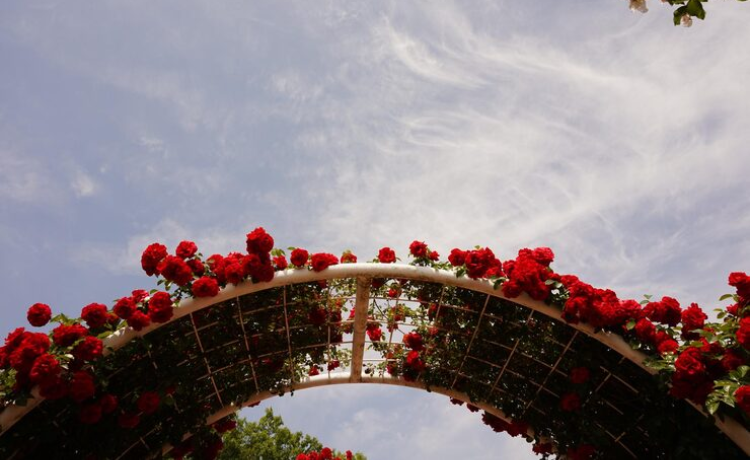
Nestled in the quaint village of Shelburne Falls, Massachusetts, lies a landmark that defies the typical definition of infrastructure. The Bridge of Flowers is exactly what its name suggests a former trolley bridge transformed into a vibrant, floating garden spanning the Deerfield River. This botanical wonder draws thousands of visitors annually who come to witness the harmonious blend of industrial history and horticultural beauty.
For travelers seeking unique Shelburne Falls tourist attractions, this pedestrian walkway offers more than just a way to get from one side of the river to the other. It provides an immersive experience in nature, suspended above rushing waters. Whether you are a gardening enthusiast, a history buff, or simply looking for a picturesque escape. The flower bridge offers a tranquil retreat that changes with the passing of every week in the growing season.
History of the Bridge of Flowers
The story behind this landmark is as compelling as the blooms themselves. Originally constructed in 1908, the concrete structure served as a trolley bridge for the Shelburne Falls & Colrain Street Railway. It was an industrial workhorse, hauling freight and passengers across the river until the railway company went bankrupt in 1927. The bridge was left abandoned, an ugly, weed-choked eyesore in the middle of the town.
Local resident Antoinette Burnham saw potential in the neglected structure. She proposed the idea of transforming the bridge into a garden, a vision that the Shelburne Falls Area Women’s Club quickly adopted. By 1929, the bridge history took a sharp turn from transportation to preservation. Eighty loads of loam and fertilizer were brought in, and the industrial relic was reborn as a flower-covered bridge. Today, it stands as a testament to community spirit and remains the only bridge of its kind in the world, maintained entirely by the dedicated volunteers of the Bridge of Flowers Committee.
What to Expect at the Bridge of Flowers
Stepping onto the bridge offers a visual feast of flora that rivals many botanical gardens. The overarching design ensures that the flower display on bridge structures remains vibrant from April through October. Visitors walking the 400-foot span are greeted by a continuous wave of color and texture. The plantings are meticulously arranged to create a sense of flow, with trailing vines softening the concrete arches and tall perennials adding height and drama against the skyline.
You will encounter hundreds of varieties of annuals and perennials. Early spring brings a riot of tulips, daffodils, and bleeding hearts. As the weather warms, the display shifts to daylilies, vibrant zinnias, and cascading petunias. By late summer and early autumn, the bridge is ablaze with dahlias, mums, and asters.
For those with a camera, Bridge of Flowers photography is a primary draw. The juxtaposition of delicate petals against the rugged concrete and the sparkling Deerfield River below creates endless composition possibilities. The best photo spots at Bridge of Flowers are often found at the center of the span looking toward the village, or from the riverbanks below, looking up at the arches reflecting in the water. Photographers are advised to visit during the “golden hour” shortly after sunrise or before sunset to capture the flowers in the softest, most flattering light.
Practical Visitor Information
Planning a trip requires knowing exactly how to visit the Bridge of Flowers. The bridge connects the towns of Shelburne and Buckland, spanning the Deerfield River. It is easily accessible from Route 2, the Mohawk Trail, making it a convenient stop for those touring Western Massachusetts.
Parking near Bridge of Flowers is available in free municipal lots on both the Buckland and Shelburne sides of the river, as well as marked street parking. Visitors should pay close attention to signage to ensure they are in a designated spot. Regarding Shelburne Falls accessibility, the bridge itself is paved and generally accessible for wheelchairs and strollers, though the approach from the Buckland side is level and easier to navigate than the Shelburne side. Which may have slight inclines or stairs depending on the specific approach path taken. Public restrooms are typically available near the bridge entrances or in the adjacent community centers.
The bridge welcomes visitors daily during the blooming season. Bridge of Flowers visiting hours are technically from dawn until dusk, allowing early risers and sunset watchers ample time to enjoy the scenery. Regarding costs, you might wonder is there an entrance fee? Admission is free, although the bridge relies heavily on donations to fund the planting and maintenance. Donation boxes are located at the entrances, and contributions are highly encouraged to keep this historic site blooming.
The Best Time to Visit the Bridge of Flowers
Timing your visit depends largely on what you want to see, as the “best time to visit Bridge of Flowers” is subjective to your floral preferences. The season officially runs from April 1st to October 30th. If you love the fresh, crisp colors of bulb flowers, the spring flowers in late April and May are spectacular. The bridge is often lined with thousands of tulips that create a cheerful pathway of color.
However, the summer bloom offers the most lush and dense vegetation. July and August see the bridge at its peak fullness, with giant dinner-plate dahlias and climbing vines creating a jungle-like atmosphere. Fall foliage season in October offers a different kind of beauty. Where the late-blooming flowers contrast stunningly with the fiery autumn leaves on the surrounding hills. Off-season visits (November through March) are not recommended for floral views, as the bridge is cleared and closed for winter to protect the structure and prepare for the next planting cycle.
Nearby Attractions in Shelburne Falls
Once you have crossed the bridge, there are plenty of other things to do near Bridge of Flowers. Just a short walk away lie the Glacial Potholes, one of the most intriguing geological formations in the state. These natural pools were ground into the granite riverbed by whirlpools of water and stones during the glacial age and are a sight to behold.
The village itself is a Shelburne Falls attraction worth exploring. The streets are lined with independent bookstores, art galleries, coffee shops, and antique stores. You can also visit the Shelburne Falls Trolley Museum to learn more about the railway history that birthed the bridge. Crossing the Iron Bridge, which runs parallel to the flower bridge, offers a fantastic vantage point for viewing the flowers from a distance.
Events and Seasonal Celebrations at the Bridge of Flowers
The bridge acts as a focal point for the community, often hosting Bridge of Flowers events that celebrate the seasons. One of the highlights is the annual plant sale held in May. Where visitors can also purchase perennials dug right from the bridge’s gardens or from local gardeners’ collections. This event draws huge crowds and helps support the bridge’s upkeep.
While there isn’t a singular “Shelburne Falls flower festival,” the entire town often participates in Art Walks and moonlight viewing nights where the bridge takes center stage. During the holiday season, although the flowers are gone, the village often lights up, and the bridge structure remains a central part of the town’s festive atmosphere.
Visitor Reviews: What to Expect
When looking at Bridge of Flowers reviews, the sentiment is overwhelmingly positive. Visitors frequently describe the experience as peaceful, magical, and inspiring. Many reviews highlight the incredible dedication of the volunteers, noting that the garden is manicured to perfection.
Visitor experiences often mention that the bridge is smaller than expected but packed with more variety than imagined. A common note in reviews is that weekends can get quite crowded, which can disrupt the tranquility. Some visitors suggest that to truly appreciate the what to expect at the Bridge of Flowers, one should take their time reading the plant labels and sitting on the benches provided along the way, rather than just rushing across.
Tips for a Great Visit
To make the most of your journey, consider a few Bridge of Flowers trip tips. First, try to avoid crowds at Bridge of Flowers by visiting on a weekday or early in the morning on weekends. The narrow path can feel congested when tour buses arrive.
When considering what to bring to the Bridge of Flowers, comfortable walking shoes are a must, as the village is best explored on foot. Sunscreen and a hat are also recommended since the bridge is fully exposed to the sun with little shade. If you plan to spend the day, bring a water bottle, but remember that picnicking on the bridge itself is generally discouraged to keep the path clear for others. However, there are lovely grassy areas nearby along the riverbank perfect for a lunch break.
Here is another one which you would like: “graduation flowers“
Conclusion
The Bridge of Flowers Shelburne is more than just a tourist stop; it is a living museum and a triumph of community vision. From its roots as an industrial trolley line to its current status as a world-renowned garden. It also offers a unique blend of history and nature. It remains a must-visit bridge in Massachusetts for anyone traveling through the Mohawk Trail region. Whether you are there to snap the perfect photo or simply smell the roses, the bridge promises a memorable experience. We encourage you to plan your visit, drop a donation in the box, and enjoy one of New England’s most charming treasures.
Frequently Asked Questions (FAQ)
What flowers can I see at the Bridge of Flowers?
You can see a vast array of flowers that change with the seasons. Spring features tulips, daffodils, and bleeding hearts. Summer showcases daylilies, zinnias, and climbing vines, while autumn brings dahlias, chrysanthemums, and asters. The bridge is planted to ensure a continuous bloom from April through October.
Is there an admission fee to visit the Bridge of Flowers?
There is no mandatory admission fee to visit the bridge. It is open to the public free of charge. However, the maintenance of the gardens relies heavily on the generosity of visitors, so donations are strongly encouraged and can be placed in boxes located at the entrances.
What is the history behind the Bridge of Flowers?
The structure was built in 1908 as a trolley bridge for the Shelburne Falls & Colrain Street Railway to transport freight and passengers. After the railway went bankrupt in 1927, the bridge was abandoned. In 1929, the Shelburne Falls Area Women’s Club sponsored the project to convert the weed-filled eyesore into a blooming pedestrian promenade.
When is the best time to see flowers on the Bridge of Flowers?
The best time depends on your floral preference. For bulb flowers and fresh greenery, visit in late April or May. for the most lush, colorful, and diverse display, July and August are the peak months. If you enjoy autumn colors and dahlias, September and early October are ideal.
Can I take professional photos at the Bridge of Flowers?
Yes, photography is permitted and encouraged. The bridge is also a very popular spot for amateur and professional photographers alike. However, visitors should be mindful of the narrow walkways and not block the path for others while setting up shots. It is also a popular spot for wedding and prom photos.