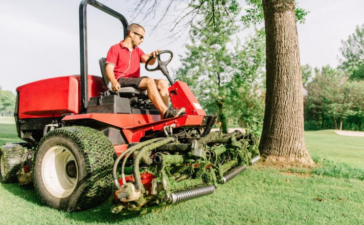
For landscaping professionals and homeowners with significant acreage, the search for the perfect lawn mower often feels like a balancing act between speed, cut quality, and physical comfort. While many brands promise a pristine finish, few address the physical toll that hours of mowing can take on the body. This is where Ferris industries has carved out a unique niche in the outdoor power equipment market. Ferris has built a formidable reputation not just for manufacturing durable machines, but for revolutionizing the mowing experience through engineering. Known primarily for being the first and only commercial ferris lawn mower manufacturer to offer a patented independent suspension system, Ferris promises a solution to the back-breaking vibrations typical of zero-turn mowers. But with a premium price tag attached to that technology, buyers often wonder if the comfort is worth the cost.
This comprehensive review examines whether Ferris lawn mowers live up to the hype. We will analyze their engineering, compare them against industry giants like John Deere and Scag, and break down the long-term value for both residential and commercial users. If you are considering upgrading your fleet or your home equipment, understanding the mechanics and economics of a Ferris machine is the first step toward a smarter purchase.
Why Ferris Lawn Mowers Are Worth the Investment
When you speak to seasoned landscape professionals about reliability, Ferris is a name that consistently surfaces. The consensus among experts is that these machines are built to endure the rigors of daily commercial use. Expert reviews frequently highlight the heavy-gauge steel construction and the thoughtful placement of serviceable parts, which suggests that the machines are designed by engineers who understand the reality of field maintenance.
User testimonials reinforce this expert sentiment, particularly regarding long-term use. Many operators report that the structural integrity of the mowers holds up well over thousands of hours of operation. The defining feature that makes the investment justifiable for most is the reduction in operator fatigue. Owners who have switched from rigid-frame mowers often describe a night-and-day difference in how they feel after a full day of cutting. By isolating the operator from the rough terrain, the mower allows for longer work periods without the physical exhaustion usually associated with zero-turn operation.
Exceptional Features of Ferris lawn Mower
The most distinct advantage Ferris holds over the competition is the Independent Suspension System (ISS). Unlike standard mowers where the operator feels every bump, the ISS allows each wheel to move independently. This maintains better traction and stability on uneven ground. Furthermore, the ergonomic design extends beyond the shocks and springs. High-back seats with lumbar support and intuitive control placements are standard, ensuring that the machine works with the operator rather than against them.
How Ferris Mowers Compare to Other Brands
Comparing Ferris vs John Deere or Ferris vs Scag requires looking beyond just the color of the paint. John Deere is a powerhouse with an unrivaled dealer network and parts availability, which is a massive plus for minimal downtime. Scag is legendary for its “Velocity Plus” cutter deck, which many argue leaves the cleanest stripe in the industry, especially in wet conditions. However, where these competitors rely on rigid frames or air-ride seats to dampen bumps, Ferris integrates suspension into the chassis itself.
When you evaluate the best zero-turn mowers on the market, the choice often comes down to specific needs. If your primary concern is parts availability in a rural area, John Deere might edge out the competition. If you are cutting lush, wet grass in the Pacific Northwest, Scag’s deck design is hard to beat. However, if your properties are rough, uneven, or large enough that speed and comfort are the bottlenecks to productivity, Ferris takes the lead.
Which Brand Offers the Best Value for Your Money?
Value is subjective, but the price-to-performance ratio of Ferris is compelling for specific demographics. For a homeowner with a flat, one-acre lot, a commercial Ferris might be overkill compared to a residential Toro or Cub Cadet. However, for commercial landscapers or homeowners with three acres of bumpy pasture, the value of a Ferris becomes clear. The ability to mow at higher speeds without losing control or hurting your back translates to time saved. Over the life of the mower, that efficiency pays for the initial price premium.
What Makes Ferris Lawn Mower Stand Out?
The Ferris suspension technology is more than just a comfort feature; it is a productivity tool. On a rigid mower, an operator must slow down significantly when encountering rough terrain to avoid bouncing around or scalping the lawn. Because the Ferris suspension system allows the cutting deck to float independently from the suspension, the mower tracks the contours of the ground more precisely. This means the operator can maintain higher speeds on uneven turf while ensuring a consistent cut height.
Durability and quality assurance also set the brand apart. Ferris utilizes heavy-duty fabricated decks rather than stamped steel, which provides resilience against rocks and roots. The quarter-inch steel frames found on their commercial lines are welded for maximum strength. This construction philosophy ensures that the suspension system has a solid foundation to work from, preventing frame flex that could lead to uneven cuts or mechanical failures over time.
Understanding Ferris Lawn Mower Models
Ferris offers a wide range of models to suit different needs, from the pro-sumer level up to heavy industrial use. The Ferris 500S is a popular entry point for homeowners with large lots and startup landscapers. It brings the patented suspension technology into a smaller, more affordable package, typically featuring Briggs & Stratton or Kawasaki engines and deck sizes ranging from 48 to 61 inches.
Moving up the line, the Ferris 300S serves as a compact, efficient option for tighter spaces, while the commercial heavyweights reside in the ISX series. The Ferris ISX 3300 is the flagship model, boasting high-horsepower engine options, massive hydro-gear drive systems, and the most advanced version of their suspension technology, ForeFront Suspension. This model is designed for the lawn care veteran who spends eight to ten hours a day in the seat.
How to Choose the Right Model for Your Needs
Selecting the right model requires an honest assessment of your terrain and budget. If you are maintaining a flat, suburban lawn, the 500S provides ample power and comfort without the footprint of the larger machines. For large, rough estates or commercial routes, the best Ferris mower for large yards would be in the ISX line, such as the ISX 800 or ISX 2200, which offer larger fuel capacities and faster ground speeds.
Maintenance & Longevity of Ferris Lawn Mower
Keeping a Ferris mower in top condition requires adherence to a strict maintenance schedule. Because these machines have more moving parts due to the suspension system, visual inspections are crucial. Owners should regularly check the control arm bushings and shock mounts for wear. Standard maintenance includes changing the engine oil and filter every 50 to 100 hours, depending on the engine manufacturer’s recommendation, and keeping the hydrostatic drive fluid fresh.
Blade sharpening is another non-negotiable aspect of care. Dull blades tear grass rather than cutting it, which can lead to lawn disease and a ragged appearance. Keeping tire pressure at the recommended levels is also vital; even with suspension, improper tire inflation can lead to an uneven cut.
Expected Lifespan of Ferris Mowers
With proper care, the lifespan of a Ferris mower is impressive. Commercial users often report getting well over 2,000 to 3,000 hours out of their machines before major engine or drive system work is required. For a residential user mowing a few acres a week, a well-maintained Ferris could effectively last a lifetime, making it a generational piece of equipment.
Cost of Owning a Ferris Lawn Mower
The initial Ferris mower price can be a sticker shock for those used to buying equipment at big-box stores. Residential zero-turn models start in the mid-thousands, while top-tier commercial units can exceed fifteen thousand dollars. However, analyzing the cost of Ferris zero-turn mower ownership requires looking at the long term.
The robust construction means fewer broken belts, cracked decks, or failed spindles compared to cheaper brands. For commercial users, the cost-effectiveness is calculated in uptime and operator health. If a crew member can mow faster and call in sick less often due to back pain, the mower pays for itself. For homeowners, the savings come from not having to replace a cheap mower every four or five years. Buying a commercial-grade machine is a “buy once, cry once” proposition that yields savings over a decade.
Customer Support & Warranty
Ferris has worked hard to build a supportive dealer network. Expert reviews generally praise the responsiveness of the warranty department, provided the claim is legitimate and the machine has been maintained. The warranty coverage is competitive, often featuring a “2+2” Year Limited Warranty which covers the unit for four years (or 500 hours), with unlimited hours on the first two years for certain commercial models.
Parts replacement is generally straightforward, as Ferris uses common high-end components for engines (Kawasaki, Vanguard) and transaxles (Hydro-Gear). The suspension components are proprietary, but dealers stock them regularly. It is rare for a Ferris owner to be sidelined for long periods due to backordered parts, provided they are working with an authorized service center.
Buying Guide for Ferris Lawn Mower
You cannot buy a Ferris mower at a generic hardware store. These machines are sold exclusively through a network of independent power equipment dealers. This is advantageous for the buyer, as dealers perform the initial setup, leveling the deck and ensuring the engine RPMs are set correctly. When looking for where to buy Ferris mowers, search for local dealerships with high service ratings.
To spot a genuine Ferris mower and avoid confusion with used or rebranded units, look for the serial number plate on the frame and verify the suspension components. A true Ferris will always feature the coil-over-shock setup clearly visible on the front casters and often on the rear. Be wary of “too good to be true” deals on marketplace sites; purchasing from an authorized dealer ensures you are getting a machine with a valid warranty and factory support.
You sould also check: “best riding lawn mowers“
Better Mowing Through Engineering
Ferris mowers represent a significant investment, but for the right user, they are an investment that pays dividends in comfort and speed. The unique suspension technology sets them apart in a crowded market, offering a solution to the physical fatigue that plagues lawn care professionals. While brands like John Deere and Scag offer stiff competition in terms of distribution and cut finish, Ferris remains the undisputed king of ride quality.
If you are tired of being jostled around by your current machine, or if you simply want equipment that is built to commercial standards of durability, Ferris deserves a serious look. Before making a final decision, visit a local dealer and ask for a demo. Feeling the difference in the ride is the only way to truly understand if the premium price is worth it for your specific lawn.
Frequently Asked Questions (FAQ)
What is the best Ferris mower for residential lawns?
For most residential lawns ranging from 1 to 3 acres, the Ferris 500S is widely considered the best option. It offers the brand’s signature patented suspension technology and commercial-grade engine options in a size that is manageable for home storage and maneuvering around flower beds.
How long does a Ferris mower typically last?
A well-maintained Ferris mower used in a commercial setting typically lasts between 2,000 and 3,000 engine hours. For a homeowner, this translates to 15 to 20 years of reliable service, assuming regular maintenance like oil changes and indoor storage during the off-season.
What makes Ferris mowers different from other brands?
The primary differentiator is the Independent Suspension System (ISS). While other brands rely on air-ride seats or lower tire pressure to soften the ride, Ferris integrates coil-over-shocks directly into the mower wheels and frame. This absorbs shock before it reaches the chassis or the operator.
Is the Ferris mower suspension system really worth the extra cost?
If you mow rough, uneven, or large properties, the suspension system is absolutely worth the cost. It allows you to mow at faster speeds without sacrificing the quality of the cut or your physical comfort. However, if your lawn is perfectly flat and smooth, you may not realize the full benefits of the system compared to a standard rigid-frame mower.
How often should I service my Ferris mower to ensure longevity?
You should check the engine oil before every use and change it after the first 5 hours of break-in, and then every 50 to 100 hours thereafter (consult your engine manual). Air filters should be cleaned or replaced every 25 hours in dusty conditions. Hydrostatic drive fluid generally needs changing every 400 to 500 hours. Blades should be sharpened or replaced as soon as the cut quality diminishes.