Mowing a large lawn doesn’t have to be a grueling weekend chore that leaves you exhausted and sweaty. For homeowners with significant acreage, upgrading to a riding lawn mower transforms turf maintenance from a physical burden into a comfortable, efficient, and even enjoyable experience. A riding mower is a substantial investment in your property, your time, and your physical well-being, promising to cut your mowing time in half while delivering professional-level results.
However, the market is saturated with options ranging from compact rear-engine models to commercial-grade zero-turn beasts. Choosing the right machine requires understanding the nuances of deck sizes, transmission types, and power sources. This guide provides a comprehensive look at the best riding lawn mowers available in 2025. We will analyze top-rated models for various lawn sizes and terrains, offer expert maintenance advice, and help you decide between traditional gas power and the rising tide of electric alternatives.
Key Factors to Consider When Choosing best Riding Lawn Mowers
Before you commit to a specific model, you must evaluate the unique characteristics of your property. The size of your land and the nature of the terrain are the primary dictators of what machine you need. For yards under one acre, a smaller cutting deck between 30 and 42 inches often provides the perfect balance of speed and maneuverability. These smaller decks fit easily through standard gates and navigate around flower beds without scalping the turf. Conversely, if you are managing large yards over two acres, a deck size of 50 inches or wider is essential to reduce the number of passes required to finish the job.
Terrain plays an equally critical role. Flat, open ground is forgiving and allows for almost any type of mower. However, if your property features steep hills or uneven ground, stability becomes paramount. Lawn tractors generally offer better stability on slopes compared to zero-turn mowers, which can sometimes lose traction on wet inclines. You should look for models with a lower center of gravity and heavy-duty transmissions if your yard is far from level.
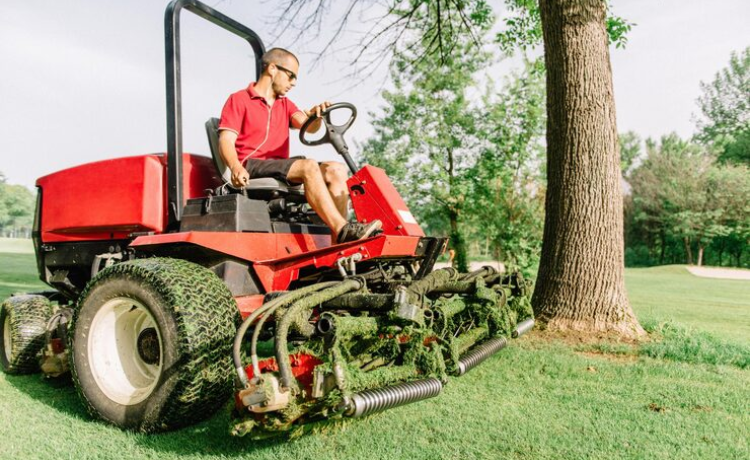
Understanding the different mower types is also necessary for making an informed decision. Zero-turn mowers are the speed demons of the lawn care world. They utilize lap bars to control individual rear wheels, allowing them to pivot 180 degrees on the spot. This makes them incredible for navigating around obstacles like trees and fountains, significantly reducing trimming time. Lawn tractors are the more traditional option, operated with a steering wheel. They are generally more versatile for towing attachments like dump carts or aerators and feel more familiar to drive. Rear-engine mowers are the smallest class, offering a compact footprint that saves storage space, though they typically lack the power and speed of their larger cousins.
Power source is the final major consideration. Gas-powered mowers remain the industry standard for longevity and raw power. They can run as long as you have fuel and generally handle thick, wet grass with ease. However, battery-powered mowers have made massive strides in recent years. These electric riding mowers offer a quieter operation, zero emissions, and significantly reduced maintenance since there are no oil changes, spark plugs, or air filters to replace.
Top 5 Best Riding Lawn Mowers for 2025
Navigating the 2025 market reveals several stand-out performers that excel in specific categories. Whether you prioritize budget, raw performance, or eco-friendliness, there is a machine tailored to your needs.
Best Overall Riding Lawn Mower
For the average homeowner seeking a balance of power, reliability, and features, the John Deere S130 stands out as the best overall choice. It offers a comfortable ride, a reliable V-twin engine, and a user-friendly hydrostatic transmission that makes changing speeds seamless. Its 42-inch deck is the “Goldilocks” size for most suburban yards ranging from half an acre to two acres.
Best Budget Riding Lawn Mower
If cost is your primary concern, the Cub Cadet XT1 Enduro Series offers exceptional value without sacrificing essential functions. It provides a strong cut quality and a surprisingly comfortable high-back seat, which is rare at lower price points. While it may lack some of the heavy-duty components of premium models, it is perfectly capable of handling flat, medium-sized lawns reliably.
Best Riding Lawn Mowers for Large Yards
For properties exceeding two acres, the Toro TimeCutter 50-inch Zero-Turn Mower is a powerhouse. Its wide cutting deck covers massive ground quickly, and the zero-turn capability eliminates wasted time maneuvering at the end of each mowing row. It features a commercial-style build that can withstand the extended run times required for large acreage.
Best Riding Lawn Mower for Hills and Uneven Terrain
Navigating slopes requires traction and stability, making the Husqvarna TS 354XD a top contender. Unlike standard lawn tractors, this model comes equipped with a locking differential. This feature forces both rear wheels to rotate at the same speed, providing superior grip on inclines and slippery patches where other mowers might spin out.
Best Electric Riding Mower
The Ryobi 80V HP Brushless 42-inch Electric Zero Turn Mower represents the cutting edge of battery technology. It utilizes versatile joystick control rather than lap bars, making it incredibly intuitive to drive. With the ability to cut up to three acres on a single charge and swap-able batteries, it eliminates “range anxiety” and proves that electric power is ready for prime time.
In-Depth Reviews of Top Models
John Deere S130 Lawn Tractor
The John Deere S130 is a staple in residential lawn care, favored for its robust 22-HP V-Twin engine and ease of use. It features a spring-assisted hand lift for the mower deck, allowing you to adjust cutting heights with minimal effort. The cast-iron front axle adds durability that is often missing in big-box store models. On the downside, the bagging attachment is sold separately and can be pricey. Customer ratings consistently praise its even cut and tight turning radius for a tractor style, though some note the seat could use more suspension for rougher terrain. You can typically find this model at major home improvement retailers and dedicated John Deere dealerships.
Toro TimeCutter 50-inch Zero-Turn (MyRIDE System)
Toro has integrated their commercial DNA into this residential machine. The standout feature is the MyRIDE suspension system, which isolates the operator platform from the mower frame. This means when you hit a bump, the mower absorbs the impact, not your spine. It boasts a 24.5 HP engine and a heavy-duty 10-gauge steel deck. Pros include incredible speed and the smoothest ride in its class. The primary con is the learning curve associated with the lap bar steering if you are used to a steering wheel. Expert reviews highlight the “IronForged” deck durability as a major selling point. This model represents a higher price tier but delivers efficiency that justifies the cost.
Ryobi 80V HP Brushless Electric Zero-Turn
Ryobi has changed the game with their joystick-controlled electric mower. The iDrive system allows for one-handed operation, freeing up your other hand to move branches or hold a drink. It runs on high-capacity 80V batteries that fit into a “suitcase” style chassis. The major pro is the silence; you can mow early in the morning without waking the neighbors. Another benefit is the lack of engine maintenance. The main drawback is the upfront cost, which is significantly higher than comparable gas models, and the potential cost of battery replacement years down the line. It is available primarily through Home Depot.
How to Maintain Your best Riding Lawn Mowers for Longevity
A riding mower is a machine that demands respect and regular care to function correctly. Routine maintenance is the difference between a mower that lasts five years and one that lasts fifteen. You should perform a general check-up at the start of every mowing season. For gas mowers, this means changing the oil and oil filter, replacing the air filter, and installing new spark plugs. Regardless of power type, you must keep the blades sharp. Dull blades tear the grass rather than cutting it, leading to a brown, unhealthy lawn. Tire pressure should also be checked regularly to ensure an even cut.
Winterizing your mower is equally important. If you leave gas in the tank over the winter, it can degrade and clog the carburetor. You should either run the tank dry or add a fuel stabilizer and run the engine for a few minutes to circulate it. The battery should be removed and stored in a cool, dry place connected to a trickle charger to prevent it from dying in the cold.
Common problems often have simple solutions. If the engine struggles to start, check the spark plug connection and the air filter. An uneven cut usually points to uneven tire pressure or a bent blade. If the deck is not cutting well or leaving clumps, it is likely clogged with dried grass. Scrape the underside of the deck regularly to maintain proper airflow and lift.
Comparing Riding Lawn Mowers: Gas vs Electric vs Battery
The debate between gas and battery power is the most significant conversation in the current market. Gas-powered mowers offer the security of unlimited runtime. If you run out of fuel, you simply refill the tank and keep going. They also tend to provide more torque for cutting through overgrown, wet, or thick grass. However, they are loud, produce exhaust fumes, and require ongoing purchases of gas, oil, and filters.
Battery-powered mowers offer a cleaner, quieter experience. The reduction in noise pollution is significant, often allowing you to mow without hearing protection. The maintenance is minimal, involving mostly blade sharpening and deck cleaning. The downside is the recharge time. If you run out of battery power in the middle of the lawn, you are stuck waiting for the charger to do its work.
When looking at cost versus long-term benefits, gas mowers generally have a lower sticker price. However, the cost of ownership accumulates over time with fuel and maintenance. Electric mowers have a high initial purchase price but cost pennies to recharge. For homeowners with lawns under two acres, the electric option is becoming increasingly attractive. For those with massive properties or difficult terrain where maximum power is needed, gas remains the superior choice.
Where to Buy the Best Riding Lawn Mowers
Purchasing a riding mower is a logistics challenge due to the size of the machine. Major retailers like Home Depot, Lowe’s, and Tractor Supply Company are popular choices because they offer frequent sales and financing options. They also have robust delivery networks that can drop the mower right in your driveway. Shopping online through these retailers allows you to read extensive customer reviews, which are vital for spotting quality control issues.
However, buying from a local dealer has distinct advantages. Dealers often perform a “dealer prep,” where they assemble, tune, and test the mower before you take it home. Big box stores may sell you a mower in a crate or one assembled by someone with less expertise. Furthermore, if you need warranty work or repairs, having a relationship with a local dealer often ensures you get priority service. When reading customer reviews, look for patterns. Disregard one-off complaints about shipping damage and focus on comments regarding engine reliability, cut quality, and ease of use.
Wants to know more about mowers? click here to know more: “ariens lawn mower“
Which is the Best Riding Lawn Mowers for You?
The “best” riding lawn mower is ultimately the one that fits your specific landscape and lifestyle. If you have a flat, one-acre lot and value quiet operation, a battery-powered electric mower is a fantastic, future-proof investment. If you are tackling three acres of rolling hills and thick brush, a heavy-duty gas garden tractor with a locking differential is the only tool for the job. For the speed-obsessed homeowner with a yard full of trees, a zero-turn mower will change your life.
Take the time to assess your acreage, your budget, and your tolerance for maintenance. By aligning these factors with the insights provided in this guide, you can confidently select a machine that will keep your lawn looking pristine for years to come. Explore our full selection of riding lawn mowers and find the perfect fit for your lawn today!
Frequently Asked Questions (FAQ)
How long do riding lawn mowers typically last?
With proper maintenance, a high-quality riding lawn mower can last between 15 and 20 years. This lifespan depends heavily on usage hours and storage conditions. Engines are usually rated for a specific number of hours; for example, a residential mower might be rated for 500 to 1000 hours, while commercial models are rated for significantly more.
Is a zero-turn mower better than a lawn tractor?
A zero-turn mower is generally better for speed and maneuverability, especially in yards with many obstacles like trees and flower beds. However, a lawn tractor is better for towing attachments, handling hilly terrain, and general versatility. Zero-turn mowers are often more expensive than comparable lawn tractors.
Can I leave my electric riding mower plugged in all the time?
Most modern electric riding mowers come with smart chargers that prevent overcharging. However, it is best practice to unplug the charger once the battery reaches 100% or to use a timer. Consult your specific owner’s manual, as battery chemistries vary and manufacturers may have different recommendations for long-term storage.
What horsepower do I need for a riding lawn mower?
For a small to medium yard (up to 1 acre) with flat terrain, an engine with 14 to 18 HP is usually sufficient. For larger yards (1 to 3 acres) or uneven terrain, look for an engine with 20 to 24 HP. If you plan on using ground-engaging attachments like a plow or aerator, you will want the higher end of that power range.