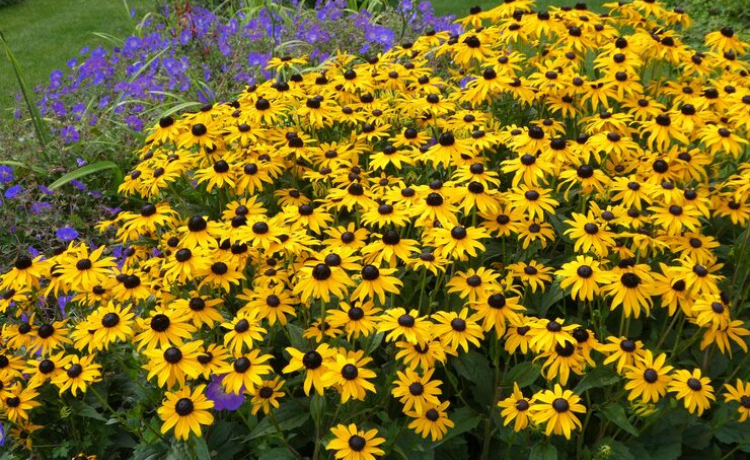
Gardening in an exposed, sun-drenched area presents a unique set of challenges and opportunities for horticulturists and home gardeners alike. While the intense heat and light can wither delicate foliage, a specific class of botanical wonders thrives under these exact conditions. Creating a vibrant, resilient garden requires understanding the specific needs of full sun flowers and shrubs, which serve as the backbone of many successful landscapes.
By selecting the right species, you not only ensure the longevity of your garden but also contribute to a sustainable ecosystem. Drawing upon insights from landscaping professionals and horticultural standards, this guide explores the best plants for high-light environments, how to care for them, and how to design a stunning outdoor space that embraces the sun rather than fighting it.
What Does “Full Sun” Mean for Plants?
Before visiting the nursery, it is vital to understand the horticultural definition of sunlight exposure. When plant labels or gardening guides refer to “full sun,” they are describing a specific duration and intensity of light. According to standards set by organizations like The Royal Horticultural Society and Southern Living, a location is considered full sun if it receives at least six hours of direct, unfiltered sunlight per day.
This distinction is important because the quality of light matters just as much as the duration. Morning sun is generally cooler and less intense, while afternoon sun, particularly between noon and 4:00 PM, creates a much harsher environment. True full sun plants are equipped to handle this intensity without scorching. Understanding this definition allows gardeners to place full sun plants in locations where they will flourish, rather than just survive.
Benefits of Planting Full Sun Flowers and Shrubs
Choosing flora adapted to high light levels brings numerous advantages to a landscape design. The primary benefit is hardiness. Plants evolved for these conditions often feature deep root systems or specialized foliage that makes them exceptionally drought-resistant and heat-tolerant. These resilient plants require less babying once established, making them ideal for low-maintenance gardening.
Beyond their toughness, these species offer immense aesthetic appeal. Sunlight is the energy source for photosynthesis, and plants with access to abundant light often have the energy reserves to produce prolific, vibrant blooms and dense, lush greenery. A garden situated in full sun often boasts more intense colors and higher flower counts than its shady counterparts.
There is also a significant ecological advantage. Many pollinator-friendly plants, such as wildflowers and native shrubs, prefer sunny habitats. By planting these species, gardeners create vital foraging grounds for bees, butterflies, and other beneficial insects, supporting local biodiversity and promoting a healthier overall ecosystem.
Best Full Sun Flowers for Every Garden
Selecting the right blooms involves balancing longevity, color, and heat tolerance. Gardeners can choose between perennials that return year after year, annuals that provide a single season of intense color, and specifically heat-tolerant varieties for the hottest climates.
Perennials for Full Sun
Full sun perennials form the reliable foundation of a sunny border. Lavender is a perennial favorite, prized not just for its iconic purple spikes and fragrance, but for its exceptional drought tolerance once established. Black-eyed Susans bring a cheerful burst of golden-yellow to the landscape and are renowned for their ability to withstand tough conditions. Coneflowers, or Echinacea, are another staple, offering daisy-like blooms that stand tall against the summer heat while attracting a host of pollinators.
Annuals for Full Sun
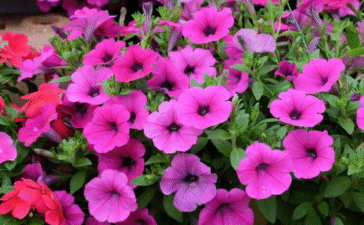
For those seeking constant color throughout the growing season, full sun annuals are the solution. Marigolds are incredibly robust, offering fiery oranges and yellows that bloom relentlessly until the first frost. Petunias are versatile annuals that spill beautifully from hanging baskets or garden beds, thriving in the direct light. Zinnias are another excellent choice, easy to grow from seed and capable of producing a kaleidoscope of colors that attract butterflies in droves.
Heat-Tolerant Flowers
In regions where the sun is accompanied by extreme temperatures, heat-tolerant flowers are essential. Daylilies are virtually indestructible, with tuberous roots that store water, allowing them to survive sweltering days. Sunflowers are the quintessential sun-lovers, turning their heads to follow the light and thriving in the heat. Coreopsis, often called tickseed, offers long-lasting blooms that persist even when temperatures soar, proving that delicate looks can hide a rugged constitution.
Top Full Sun Shrubs for Landscaping
Shrubs provide structure and year-round interest in the garden. When selecting shrubs for full sun, it is important to choose varieties that won’t wilt or scorch under the midday glare.
Flowering Shrubs
Flowering shrubs add vertical interest and color. The Panicle Hydrangea is a standout exception in the hydrangea family, as most varieties prefer shade; however, the Panicle type loves the sun and produces massive, cone-shaped flower heads. The Rose of Sharon is a hibiscus relative that blooms late in the summer when many other shrubs have finished, offering tropical-looking flowers in a temperate climate. Lilacs are cherished for their springtime scent and thrive in full sun, which is necessary for them to set their abundant blooms.
Evergreen Shrubs
To maintain privacy and greenery throughout the winter, evergreen shrubs are indispensable. Boxwood is the classic choice for formal hedges and topiaries, tolerating full sun well if kept watered. Yews offer dark green needles and red berries, providing excellent contrast in a sunny border, though they require good drainage. Holly bushes are another robust option, known for their glossy, spiny leaves and festive berries, thriving in direct light while creating a secure, natural barrier.
Drought-Tolerant Shrubs
For water-wise landscapes, drought-tolerant shrubs are the most practical choice. The Butterfly Bush is named for its ability to attract winged visitors and thrives in hot, dry soil. Oleander is an incredibly tough shrub often seen in median strips because it withstands heat, drought, and pollution with ease, although all parts of the plant are toxic if ingested. Spiraea is a deciduous shrub that offers cascading branches of flowers and requires very little water once established, making it a favorite for xeriscaping.
Full Sun Plant Care: Tips for Healthy Growth
Even resilient plants have specific needs to reach their full potential. Proper care ensures that sun-loving species do not just survive the exposure but thrive in it.
Watering Needs
While many sun-loving plants are drought-tolerant, they still require consistent moisture, especially during their first year or periods of extreme heat. The key is to water deeply rather than frequently. Deep watering encourages roots to grow further down into the soil where moisture is more consistent and temperatures are cooler. Watering full sun plants early in the morning is recommended by experts to prevent evaporation and allow the foliage to dry before nightfall, reducing fungal risks.
Soil and Drainage
Soil composition is critical. Most full sun plants prefer well-draining soil. If water sits around the roots, the warm soil temperature combined with moisture can create a breeding ground for root rot. Amending heavy clay soils with organic matter such as compost or peat moss can improve drainage and aeration, giving roots the healthy environment they need to support vigorous top growth.
Fertilization for Full Sun Plants
The high metabolic rate of plants growing in full sun often means they are heavy feeders. Applying a balanced, slow-release fertilizer in the spring helps support their rapid growth and blooming cycles. For flowering plants, a fertilizer higher in phosphorus can promote better bloom production. However, gardeners should be cautious not to over-fertilize, as this can lead to lush foliage at the expense of flowers or make the plant leggy and weak.
How to Create a Stunning Full Sun Garden Design
Designing a garden that receives full exposure requires a strategic approach to layout and plant selection. The goal is to create depth and visual interest without the benefit of shadows that shady gardens utilize.
Planting Tips and Layouts
Successful full sun garden design often relies on layering. Place taller shrubs or perennials like Sunflowers and Holly at the back of the border (or the center of an island bed), mid-sized plants like Coneflowers and Lavender in the middle, and low-growing annuals or ground covers like creeping thyme at the front. This tiered approach ensures that every plant receives adequate light without shading out its neighbors. Utilizing contrasting colors—such as purple Salvia against yellow Coreopsis—can make the design pop under the bright sun.
Using Full Sun Plants in Landscaping
Integrating landscaping with sun plants involves more than just flower beds. Full sun shrubs can be used to frame a front entrance or create a privacy screen along a property line. Drought-tolerant species are perfect for the “hell strip” between the sidewalk and the street where heat radiates from the pavement. Patios and decks that bake in the sun are ideal locations for large containers filled with heat-loving tropicals like Mandevilla or Hibiscus, bringing a vacation vibe to the backyard.
Best Regions and Climate for Full Sun Flowers and Shrubs
While full sun plants can grow almost anywhere, certain regions provide the ideal environment for them to flourish. Understanding regional planting zones is key to long-term success.
The USDA Plant Hardiness Zone Map is the standard by which gardeners and growers can determine which plants are most likely to thrive at a location. Full sun plants generally excel in Zones 7 through 10, where the growing seasons are longer and the winters are milder. However, in very hot climates (like Zone 9 or 10), even “full sun” plants might appreciate some respite from the harsh late-afternoon rays. Conversely, in cooler northern zones (3 through 6), full sun is absolutely essential to provide enough heat units for plants to bloom and ripen before the early frost.
Common Mistakes to Avoid When Planting Full Sun Plants
Even experienced gardeners can stumble when managing high-light environments. Avoiding common full sun planting mistakes saves time, money, and frustration.
A frequent error is improper watering—specifically, the oscillation between over-watering and under-watering. While the surface of the soil may look dry and cracked in the sun, the soil beneath might still be moist. Using a moisture meter or the finger test prevents drowning the roots. Another common pitfall is wrong plant selection. Assuming that all tropical-looking plants love sun can be fatal; many lush, large-leafed plants actually originate from the jungle floor and will burn instantly in direct light. Always verify the specific light requirements of a cultivar before planting. Finally, planting too closely together restricts airflow, which, even in full sun, can lead to powdery mildew and other fungal diseases.
Frequently Asked Questions
What’s the difference between full sun and partial sun plants?
The distinction lies in the number of hours of direct sunlight required. Full sun plants need at least six hours of direct light daily to thrive. Partial sun (or partial shade) plants typically prefer between three and six hours of sunlight. Often, partial sun plants prefer their light exposure during the cooler morning hours and require protection from the intense afternoon heat, whereas full sun plants can generally handle the midday intensity.
How do I know if a plant is getting too much sun?
Plants communicate stress through their foliage. Signs of excessive sun exposure include leaves that appear bleached, scorched, or turn brown and crispy at the edges. You may also notice the plant wilting significantly during the day, even if the soil is moist. If the flowers dry up quickly or the plant stops blooming altogether, it may be trying to conserve energy to survive the heat stress.
What flowers and shrubs should I plant in a full sun garden to attract bees and butterflies?
To create a pollinator haven in a sunny location, prioritize native plants and those with open, accessible flowers. Purple Coneflower (Echinacea), Black-eyed Susan (Rudbeckia), and Bee Balm (Monarda) are magnets for bees. For shrubs, the Butterfly Bush (Buddleia) is famous for attracting butterflies, while flowering perennials like Salvia, Lavender, and Zinnia provide excellent nectar sources for a wide variety of pollinators throughout the growing season.
Also check: “brown flowers“
Cultivating Your Sun-Drenched Oasis
Creating a thriving garden in a fully exposed location is a rewarding endeavor that combines horticultural knowledge with creative design. By understanding the definition of full sun and selecting the appropriate full sun flowers and shrubs, you can build a landscape that is not only visually stunning but also ecologically supportive and resilient. Whether you are planting hardy perennials, vibrant annuals, or structural shrubs, the key is to work with the environment. Experiment with different textures and colors, monitor your soil and water conditions, and enjoy the vibrant, sun-soaked sanctuary you have created.