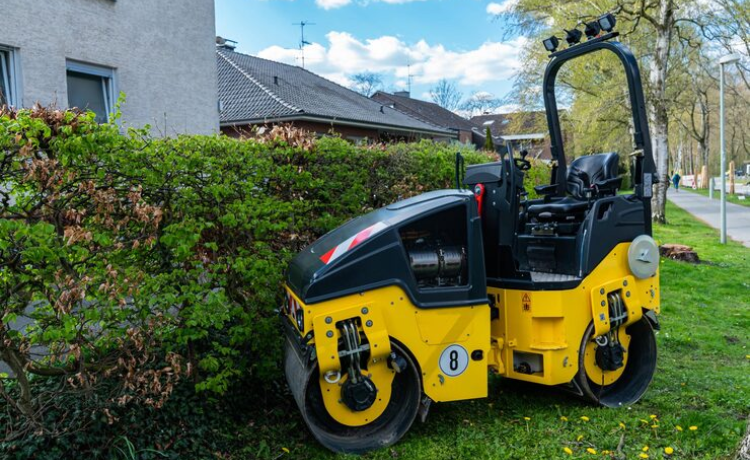
A lush, green lawn is the centerpiece of many homes, but achieving that perfectly smooth, carpet-like surface can be challenging. Bumps, uneven patches from frost, and issues with new sod or seeds can frustrate even the most dedicated gardener. A lawn roller rental can be a game-changer, offering a simple solution to create a level, healthy yard. This powerful tool helps compact loose soil, press down seeds for better germination, and smooth out sod for a professional finish.
This guide will cover everything you need to know about renting a lawn roller. We’ll explore the costs, the best times to use one, and the pros and cons to help you decide if this is the right move for your lawn care routine.
What Is a Lawn Roller?
A lawn roller is a heavy, cylindrical lawn care tool designed to flatten and smooth the ground. This piece of lawn leveling equipment works by applying consistent weight across the soil’s surface. Rollers typically come in three main designs: walk-behind models you push manually, larger tow-behind versions that attach to a lawn tractor, and simple push rollers for smaller tasks. The primary function is to create a smooth surface by compacting soil and pressing down new sod or seeds.
There are different types of rollers, most commonly water-filled or sand-filled. These are lightweight when empty, making them easy to transport. Once on-site, you fill them with water or sand to achieve the desired weight for your project. The weight is crucial; a heavier roller is needed for significant leveling, while a lighter one is sufficient for pressing down new grass seed. Using the right type of lawn care tool ensures you get the job done effectively without causing unnecessary soil compaction.
Why Rent a Lawn Roller?
For most homeowners, renting a lawn roller is a far more practical and cost-effective solution than buying one. Lawn rollers are bulky, take up significant storage space, and are typically only needed for specific, infrequent projects. Purchasing one means you are responsible for its storage and any long-term maintenance, which can be an unnecessary hassle for a tool used once or twice a year.
Renting is ideal for one-time use situations, such as laying new sod, overseeding a patchy lawn, or leveling out bumps that appeared over the winter. It’s also perfect for seasonal lawn care tasks, like addressing frost heave in the spring. By opting for a short-term rental, you get access to a professional-grade tool exactly when you need it, without the commitment of ownership. This approach saves you money, eliminates storage problems, and ensures you always have the right equipment for the job at hand.
How Much Does Lawn Roller Rental Cost?
The cost of a lawn roller rental is generally quite affordable, making it an accessible option for most homeowners. Rental rates can vary based on several factors, including the size and weight of the roller, your geographic location, and the rental company’s pricing structure. Typically, you can expect to pay between $25 to $50 per day. For longer projects, weekly rates often provide better value, ranging from $150 to $200 per week.
When comparing prices, be sure to ask what is included in the rental rates. Some companies may offer delivery and pickup services for an additional fee, which can be a convenient option for larger, heavier models. It’s a good idea to do a price comparison between local providers like The Home Depot, Lowe’s, or independent equipment rental stores to find the most affordable equipment rental in your area. Always inquire about any hidden fees, such as deposits or insurance, to get a clear understanding of the total cost.
When Should You Use a Lawn Roller?
Timing is everything when using a lawn roller to ensure you help, rather than harm, your lawn. The best time to roll is when the soil is moist but not saturated. Rolling overly wet soil can lead to excessive lawn compaction, which restricts water, air, and nutrient flow to the grass roots. Conversely, rolling dry, hard soil is largely ineffective.
The ideal lawn care schedule for rolling is typically in the early spring, after the ground has thawed, to smooth out bumps and uneven spots caused by frost heave or burrowing animals like moles. It’s also highly effective after aerating your lawn, as it can help break up soil plugs and create a smoother surface. If you are seeding or laying new sod, a lawn roller is essential. Rolling after seeding improves seed-to-soil contact, which is crucial for successful seed germination. For new sod, rolling removes air pockets and ensures the roots make firm contact with the soil underneath, promoting faster establishment.
Pros and Cons of Lawn Roller Rentals
Renting a lawn roller offers several advantages, but it’s important to weigh them against the potential downsides.
One of the biggest pros is that it’s a cost-effective solution for occasional use. Instead of investing hundreds of dollars in a tool you’ll use once a year, you can rent it for a fraction of the price. The rental convenience also means you don’t have to worry about long-term storage or maintenance. This is particularly beneficial for homeowners with limited garage or shed space.
However, there are lawn roller downsides to consider. If used improperly or at the wrong time, a roller can cause severe soil compaction. This can suffocate grass roots and lead to a less healthy lawn over time. Renting also means you’re dependent on the availability of the equipment from local rental shops. For those who need to perform large-scale or frequent leveling, the cumulative cost of renting could eventually exceed the purchase price, making ownership a better long-term option.
How to Rent a Lawn Roller: Tips & Best Practices
The rental process for a lawn roller is straightforward, but a few best practices can ensure a smooth experience.
First, identify local lawn roller rental companies. A quick search on Google for “lawn roller rental near me” or checking with large home improvement stores will give you plenty of options. Once you find a provider, you’ll need to choose the right size roller. For small yards or light tasks like seeding, a push roller will suffice. For larger areas or significant leveling, a tow-behind model is more appropriate.
Before finalizing the rental, perform a thorough equipment inspection. Check for any existing damage, and make sure all parts are in working order. This protects you from being charged for pre-existing issues. Inquire about the rental company’s policies on insurance and damage protection. Finally, ask about their delivery and pick-up services. For larger rollers, having it delivered to your home can save you a lot of hassle. Good customer service is key, so choose a company that is helpful and transparent about its terms.
Lawn Roller Rental Alternatives
If renting a lawn roller doesn’t seem like the right fit, there are other options available.
For those who enjoy a DIY challenge, there are some DIY roller alternatives. A simple homemade roller can be created by filling a large, cylindrical container (like a 55-gallon drum) with water or sand and rolling it across your lawn. Another method involves using a heavy, flat object, like a wide wooden plank, and tamping it down across uneven areas. While these methods are cheaper, they are often less effective and more labor-intensive than using a proper lawn care tool.
If your lawn has significant leveling issues or you’re undertaking a large project, hiring professional landscaping services might be the best route. A professional will have the right equipment and expertise to get the job done correctly and efficiently, saving you time and potential headaches. While this is the most expensive option, it guarantees a high-quality result.
Lawn Roller Rental Maintenance & Care
When you rent a lawn roller, you’re responsible for returning it in good condition. Following a few simple maintenance tips can help you avoid extra fees. Before returning the equipment, make sure to perform some basic roller care. If you filled it with water or sand, empty it completely. This makes it lighter and easier to transport.
The most important step is cleaning after use. Use a hose and a stiff brush to remove any mud, grass, and debris from the drum and frame. Returning a clean roller shows respect for the rental company’s equipment and helps you avoid cleaning charges. It’s always a good idea to ask the rental company for any specific maintenance tips or requirements when you pick up the roller.
Also Check: “lawn soil“
Your Path to a Smoother Lawn
Renting a lawn roller is an efficient and affordable way to tackle many common lawn care challenges. From smoothing bumps caused by winter frost to ensuring new sod takes root, it’s a valuable tool for achieving a pristine yard. By understanding the costs, benefits, and proper usage, you can make an informed decision that suits your specific needs. Consider your project size, budget, and storage capacity to determine if a short-term rental is the best choice for you. With the right approach, you’ll be well on your way to a healthier, more beautiful lawn.
Frequently Asked Questions (FAQs)
Can I rent a lawn roller if I have a small yard?
Yes, absolutely. For smaller yards, you can rent a lightweight, walk-behind or push roller. These are easier to maneuver in tight spaces and are perfect for tasks like pressing down seed or smoothing minor imperfections.
What happens if I return the lawn roller late?
Most rental companies charge late fees. These are often calculated on a daily or even hourly basis, so it’s important to return the equipment on time. Always check the rental agreement for the specific policy on late returns before you finalize the rental.
Do I need to fill the lawn roller with water or sand?
Most rental rollers are designed to be filled to add weight. Water is the most common and convenient option, as it can be easily added from a hose and drained before returning. Sand can be used for more weight but is harder to manage. The rental company can advise on what’s best for their specific model.
Can a lawn roller damage my grass?
Yes, if used incorrectly. Rolling your lawn when the soil is too wet can lead to excessive compaction, which harms the grass roots. You should also avoid using a roller that is too heavy for your soil type. Always roll when the soil is moist, not waterlogged, to prevent damage.