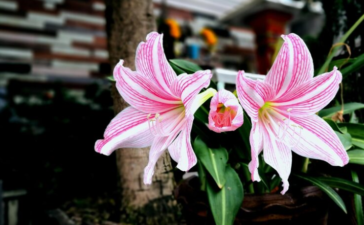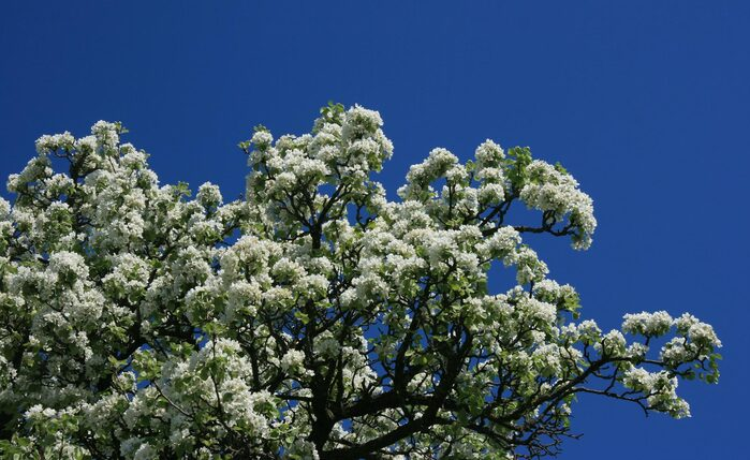
A tree with white flowers can transform any landscape, bringing a sense of elegance and serenity. These stunning trees serve as brilliant focal points in gardens, their pure white blossoms creating a striking contrast against green foliage and blue skies. Beyond their beauty, they offer significant environmental benefits, attracting pollinators and improving biodiversity.
Choosing the right tree can feel overwhelming with so many options available. This guide is designed to help you explore the best species of white-flowering trees, understand their unique characteristics, and learn how to care for them. Whether you have a sprawling lawn or a small urban garden, you’ll find the perfect tree to brighten your space.
Types of tree with white flowers
Many tree species produce beautiful white blossoms, each with its own charm. Understanding the differences between them is the first step in selecting the right one for your garden.
Magnolia Trees (Star Magnolia)
The Star Magnolia (Magnolia stellata) is one of the first heralds of spring, known for its delicate, star-shaped white flowers. These small, multi-stemmed trees or large shrubs typically reach a height of 15 to 20 feet, making them suitable for smaller landscapes. They bloom in early spring before their leaves emerge, creating a spectacular display. Star Magnolias thrive in full sun to partial shade and prefer well-drained, slightly acidic soil.
Dogwood Trees (Kousa Dogwood)
The Kousa Dogwood (Cornus kousa) is another popular choice, celebrated for its pointed, star-like bracts that appear in late spring, weeks after other dogwoods have finished blooming. These bracts last for six weeks or more, providing long-lasting color. In the fall, the tree produces edible, raspberry-like fruits and its foliage turns a striking reddish-purple. Kousa Dogwoods grow to about 15 to 30 feet tall and are more resistant to diseases like anthracnose than other dogwood species.
Fringe Trees (Chionanthus virginicus)
The American Fringe Tree (Chionanthus virginicus) is a truly unique specimen, named for its fragrant, fringe-like clusters of white flowers that droop from the branches in late spring. These airy, delicate blossoms give the tree a soft, cloud-like appearance. It’s a great option for smaller yards, as it typically grows to a manageable height of 12 to 20 feet. The Fringe Tree is native to the eastern United States and is relatively low-maintenance, tolerating a range of soil conditions.
Flowering Cherry Trees
While many associate cherry trees with pink blossoms, several varieties produce stunning white flowers. Trees like the Yoshino Cherry (Prunus x yedoensis) and the Sargent Cherry (Prunus sargentii ‘Alba’) offer a profusion of white blooms in early spring. Their ornamental value is immense, creating a classic, picturesque scene that is beloved in landscapes worldwide.
Japanese Snowbell Tree
The Japanese Snowbell (Styrax japonicus) is a graceful, small-to-medium-sized tree that produces delicate, bell-shaped white flowers in late spring. These fragrant blossoms hang in clusters below the branches, creating a beautiful, pendulous effect. The tree has a refined, elegant structure and typically grows to a height of 20 to 30 feet. It performs best in partial shade and moist, well-drained soil.
When Do White-Flowering Trees Bloom?
Understanding the bloom time of different white-flowering trees is crucial for planning a garden with continuous interest. The blooming period can vary significantly based on the species and the local climate.
Most white-flowering trees bloom in the spring. Early spring bloomers, like the Star Magnolia, often flower on bare branches, creating a dramatic visual effect. Late spring bloomers, such as the Kousa Dogwood and Fringe Tree, flower after their leaves have appeared, offering a lush combination of white and green.
Climate and regional conditions heavily influence when a tree will bloom. A tree’s hardiness zone, as defined by the USDA, indicates the regions where it can survive the winter. For instance, a cherry tree in a warmer zone (like USDA Zone 8) will bloom several weeks earlier than the same type of tree in a cooler zone (like USDA Zone 5). Local weather patterns, such as an unusually warm spring, can also cause trees to bloom ahead of schedule.
Care and Maintenance for tree with white flowers
Proper care is essential to ensure your white-flowering tree remains healthy and produces abundant blooms year after year.
Most white-flowering trees prefer well-drained soil rich in organic matter. While specific pH preferences vary, a slightly acidic to neutral soil is generally ideal. Consistent watering is crucial, especially during the first few years after planting and during dry spells in the growing season. A layer of mulch around the base of the tree can help retain soil moisture and regulate temperature.
Pruning helps maintain the tree’s shape, remove dead or diseased branches, and encourage healthy growth and flowering. The best time to prune depends on the species. For many spring-flowering trees, it’s best to prune right after they finish blooming to avoid cutting off next year’s flower buds.
Fertilization can promote vigorous growth and blooming, but it should be done thoughtfully. A balanced, slow-release fertilizer designed for trees and shrubs is usually a good choice. Always follow the product instructions to avoid over-fertilizing, which can harm the tree. Regularly inspect your tree for common pests like aphids or scale, and diseases such as powdery mildew, to address issues before they become severe.
Benefits of Planting Tree with White Flowers
Beyond their obvious beauty, tree with white flowers offer numerous advantages for your garden and property.
The clean, classic look of white blossoms can brighten any garden, create elegant focal points, and evoke a sense of peace. White flowers are also highly visible at dusk, extending the time you can enjoy your garden. Environmentally, these trees are powerhouses. Their flowers attract a wide range of pollinators, including bees and butterflies, which are essential for a healthy ecosystem.
A well-maintained, beautiful landscape can significantly increase a home’s property value. Strategically planted trees with stunning white flowers enhance curb appeal, making a property more attractive to potential buyers. The visual impact of a tree in full bloom can create a memorable first impression.
Choosing the Right White-Flowering Tree for Your Garden
Selecting the perfect tree involves considering its size, growth habits, and suitability for your specific location.
Think about the mature size of the tree. If you have a small garden, a dwarf variety or a naturally smaller species like the Star Magnolia or Fringe Tree would be a better fit than a larger tree. Also, consider your region’s climate. Choose a tree that is rated for your USDA hardiness zone to ensure it can thrive.
The planting location is equally important. Pay attention to the tree’s sunlight requirements—some prefer full sun, while others do well in partial shade. Ensure you plant it a safe distance from buildings, power lines, and other structures to accommodate its future growth.
You would also like: “tree blooms pink flowers“
Common Problems and How to Avoid Them
Even with the best care, white-flowering trees can encounter pests and diseases. Aphids and scale insects can feed on the sap, weakening the tree, while fungal infections like powdery mildew can cover the leaves and reduce photosynthesis. Regular monitoring and appropriate treatments, such as horticultural oils or fungicides, can manage these issues.
Proper maintenance is the best prevention. Avoid overcrowding plants to ensure good air circulation, which helps prevent fungal diseases. Regular pruning not only maintains the tree’s shape but also removes weak or infested branches before problems can spread.
Your Perfect Garden Awaits
A tree with white flowers is more than just a plant; it’s a long-term investment in the beauty and health of your landscape. From the early spring blooms of a Star Magnolia to the late-season elegance of a Kousa Dogwood, there is a perfect white-flowering tree for every garden. By considering your space, climate, and desired aesthetic, you can select a tree that will bring you joy for years to come.
Frequently Asked Questions
What is the best white-flowering tree for a small garden?
For small gardens, the Star Magnolia (Magnolia stellata) or the American Fringe Tree (Chionanthus virginicus) are excellent choices. Both are relatively compact, typically growing between 12 and 20 feet tall, and offer spectacular spring blooms without overwhelming the space.
How long do white-flowering trees live?
The lifespan of a white-flowering tree varies greatly by species. Dogwoods and Flowering Cherries can live for several decades, often 40 to 50 years with good care. Magnolias are known for their longevity and can live for 80 years or more under ideal conditions.
Are white-flowering trees easy to grow?
Many white-flowering trees, such as the Kousa Dogwood and Fringe Tree, are relatively low-maintenance once established. The key is to choose a tree that is well-suited to your climate and soil conditions. Providing proper watering during the first few years is crucial for their long-term health.
Can I plant a white-flowering tree near a fence or wall?
Yes, but it’s important to consider the tree’s mature size. Plant it far enough away from the structure to allow for its full canopy width and root growth. As a general rule, plant a tree at least half of its mature spread away from a fence or wall to prevent future problems.