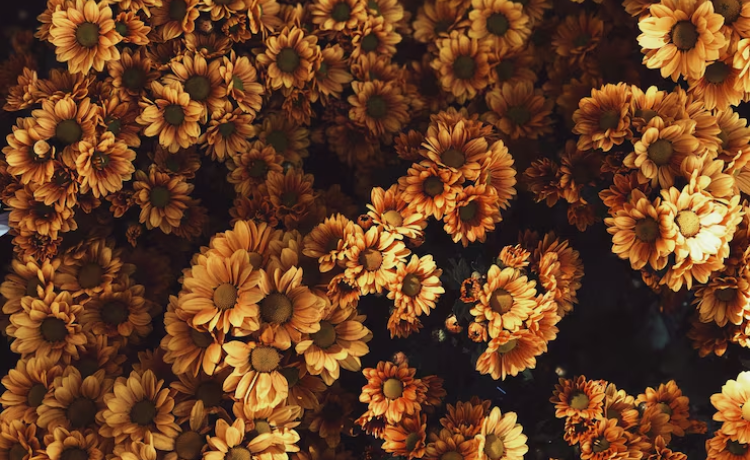
When you picture a garden or a floral bouquet, your mind likely fills with vibrant reds, sunny yellows, and soft pinks. Brown is rarely the first color that comes to mind. Yet, brown flowers possess a unique, earthy charm that can bring unparalleled depth and sophistication to any garden or floral arrangement. Their rich, warm tones evoke feelings of stability, comfort, and a deep connection to the natural world.
This guide will explore the often-overlooked world of brown flowers. We will cover everything from their existence in nature and symbolic meanings to practical tips for growing them and incorporating them into your designs. By the end, you’ll have a newfound appreciation for these understated beauties and feel inspired to add their unique character to your own green spaces.
Understanding Brown Flowers
Brown flowers are captivating precisely because they defy our typical expectations of what a flower should look like. Their colors range from deep chocolate and rich mahogany to lighter shades of tan and caramel.
What are Brown Flowers?
Brown flowers are simply flowering plants that produce blooms in various shades of brown. This coloration comes from pigments within the plant’s petals. While some people might initially think of brown as a sign of decay, in these flowers, it is a display of their natural and healthy pigmentation. They offer a sophisticated and grounding element that stands out in a world dominated by brighter floral hues.
How Do Brown Flowers Exist in Nature?
Brown coloration in flowers can occur both naturally and through selective breeding. In nature, some species have evolved brown petals to attract specific pollinators, like certain types of flies or beetles, that are drawn to earthy scents and colors. However, many of the striking brown flowers available today, such as specific varieties of roses and tulips, are the result of careful cultivation by horticulturists. These breeders work for years to isolate and enhance the genes responsible for brown pigments, creating unique and sought-after cultivars.
Are Brown Flowers Rare?
Compared to colors like red, yellow, and white, brown flowers are relatively uncommon. The pigments that create blue and red hues, called anthocyanins, are widespread in the plant kingdom. Brown tones often result from a complex combination of pigments or a lower concentration of the more common ones. This natural rarity makes them a prized find for gardeners and florists looking to create something truly distinctive and memorable.
Types of Brown Flowers
From popular favorites to exotic finds, the variety of brown flowers is surprisingly diverse. Exploring these different types can open up new possibilities for your garden and floral designs.
Top 10 Brown Flowers You Should Know
Here are some of the most popular and beloved brown flowers:
- Chocolate Cosmos (Cosmos atrosanguineus): Famous for its deep, velvety brown-red petals and a delightful scent reminiscent of chocolate.
- Brown Roses (Rosa spp.): Cultivars like ‘Hot Cocoa’ and ‘Koko Loko’ offer stunning shades ranging from rusty brown to a milky coffee color.
- Brown Tulips (Tulipa spp.): Varieties such as ‘Gavota’ and ‘Brown Sugar’ feature rich, bronze and mahogany tones, often with contrasting edges.
- Chocolate Orchid (Cymbidium spp.): These exotic orchids display intricate patterns in shades of deep brown and maroon, adding a touch of luxury.
- Bearded Iris (Iris germanica): Many iris varieties, like ‘Brown Lasso’, showcase beautiful brown hues on their falls and standards.
- Daylily (Hemerocallis spp.): Cultivars such as ‘Sir Modred’ and ‘Sweet Hot Chocolate’ produce large, trumpet-shaped flowers in warm, earthy browns.
- Pansy (Viola x wittrockiana): Certain pansy varieties have rich, chocolate-brown faces, often with contrasting blotches of yellow or purple.
- Sweet William (Dianthus barbatus): The ‘Sooty’ variety is known for its almost-black, deep chocolate-brown flowers that create a dramatic effect.
- Columbine (Aquilegia spp.): ‘Chocolate Soldier’ is a unique columbine with nodding, spurless flowers in a dusty brown shade.
- Angelonia (Angelonia angustifolia): The ‘Archangel Cherry Red’ variety, despite its name, features deep brownish-red spires that add vertical interest.
Rare and Unusual Brown Flowers
Beyond the more common types, there are some truly unique brown flowers for the adventurous gardener. The Fritillaria persica ‘Ivory Bells’ can sometimes produce dusky, brownish-purple blooms. Another fascinating example is the Eastern Skunk Cabbage (Symplocarpus foetidus), which has a mottled brown spathe and is one of the first plants to flower in late winter, often melting the snow around it.
How to Identify Brown Flowers
Identifying brown flowers involves looking at their key characteristics. Pay attention to the petal shape, size, and texture. Note the specific shade of brown is it a solid color, or does it have gradients, veins, or spots? The flower’s fragrance, if any, can also be a clue. For example, the distinct chocolate scent of the Chocolate Cosmos is a dead giveaway. Using a plant identification app or a good field guide can help you confirm the species.
Symbolism and Meaning of Brown Flowers
Like all flowers, brown blooms carry their own set of symbolic meanings that can add depth and intention to any gift or arrangement.
What Do Brown Flowers Symbolize?
Brown is the color of the earth, wood, and stone. As such, brown flowers often symbolize grounding, stability, and a strong connection to nature. They can represent resilience, strength, and dependability. In a romantic context, they might convey a sense of comfort, warmth, and enduring affection. Giving brown flowers can be a way to express steady, down-to-earth love and support.
Brown Flowers in Different Cultures
The cultural interpretation of brown flowers can vary. In some Western cultures, they are associated with autumn and the harvest, representing abundance and the beauty of the changing seasons. In other contexts, their earthy tones can be linked to wholesomeness and organic living. Because of their rarity, they are often seen as sophisticated and elegant across many cultures.
Are Brown Flowers Used in Special Occasions?
Absolutely. Brown flowers are increasingly popular for special events, especially weddings with rustic, bohemian, or autumnal themes. They add a touch of warmth and unconventional beauty to bouquets, centerpieces, and boutonnieres. For funerals, their grounding symbolism can offer a sense of stability and remembrance, providing a comforting and dignified tribute.
How to Grow Brown Flowers
Growing brown flowers is a rewarding experience. With the right care, you can enjoy their unique beauty in your own garden.
Best Growing Conditions for Brown Flowers
Most brown-flowered plants thrive in conditions similar to their more brightly colored relatives. Generally, they prefer well-drained soil and a location with adequate sunlight. For instance, brown roses need at least six hours of direct sun per day, while Chocolate Cosmos prefers full sun. Always check the specific requirements for the variety you choose to plant, paying close attention to soil pH, water needs, and hardiness zones.
Seasonal Considerations for Brown Flowers
The best time to plant brown flowers depends on the species. Spring-blooming bulbs like brown tulips should be planted in the fall. Perennials such as Bearded Irises and Daylilies can be planted in the spring or fall. Annuals like Chocolate Cosmos are best planted in the spring after the last frost. Many brown flowers naturally peak in late summer and autumn, making them perfect for fall-themed garden designs.
Common Problems with Growing Brown Flowers
Growing brown flowers comes with challenges similar to other plants. Pests like aphids and spider mites can be an issue, as can fungal diseases like powdery mildew or black spot, especially on roses. Ensure good air circulation around your plants, water at the base to keep foliage dry, and treat any infestations promptly with organic or chemical solutions as needed. Overwatering is a common mistake, so always check that the soil is dry to the touch before watering again.
Brown Flowers in Garden Design and Floral Arrangements
The versatility of brown flowers makes them a fantastic addition to both gardens and bouquets.
Using Brown Flowers in Your Garden Design
Incorporating brown flowers into your garden can create a sophisticated and harmonious look. They are a natural fit for rustic, woodland, and autumn-themed gardens. Pair them with ornamental grasses and plants with deep green or burgundy foliage to enhance their earthy tones. In a vintage-style garden, brown roses and pansies can evoke a sense of nostalgia and timeless elegance.
How Brown Flowers Complement Other Flower Colors
Brown is a surprisingly versatile neutral that pairs beautifully with a wide range of colors. For a warm, autumnal palette, combine brown flowers with deep reds, oranges, and golden yellows. For a more dramatic and modern look, pair them with crisp whites, creams, or even soft blues and purples. The contrast makes both colors pop. A mix of brown and dusty pink creates a romantic, vintage-inspired feel.
Brown Flowers for Bouquets and Wedding Arrangements
In floral design, brown flowers add texture, depth, and an unexpected touch of sophistication. A wedding bouquet featuring brown roses, Chocolate Cosmos, and dried elements like pampas grass can be stunning for a fall or rustic wedding. For event centerpieces, brown flowers can anchor the design and provide a warm, inviting atmosphere.
Where to Buy Brown Flowers
Ready to add some brown beauties to your life? Here’s where to look.
Best Places to Find Brown Flowers Online
Many specialty online nurseries and florists now carry a selection of brown flowers. Retailers like White Flower Farm, David Austin Roses (for rose cultivars), and specialty bulb suppliers are great places to find plants and seeds. For fresh-cut arrangements, check with local florists who specialize in unique and custom designs, or browse online flower delivery services that offer rustic or modern bouquets.
Tips for Choosing Quality Brown Flowers
When buying brown flower plants, look for healthy, vibrant foliage and a strong root system. Avoid plants with yellowing leaves or signs of pests. If you are buying cut flowers, choose stems with firm petals and buds that are just beginning to open. This will ensure they last as long as possible in your arrangement. Ask the florist when the flowers arrived to guarantee freshness.
Also read: “yellow colour flowers“
The Unique Beauty of Brown Flowers
Brown flowers are a testament to the incredible diversity of the natural world. They challenge our perceptions and invite us to see beauty in unexpected places. With their rich, earthy tones and deep symbolic meanings, they offer a sense of warmth, stability, and understated elegance. Whether you choose to plant them in your garden or display them in a vase, brown flowers are sure to make a lasting impression.
Frequently Asked Questions
Are brown flowers natural?
Yes, many brown flowers exist naturally in the wild. Species like the Chocolate Cosmos and certain types of orchids have evolved to have brown petals. However, many of the most popular brown flowers available today, such as brown roses and tulips, are the result of selective breeding by horticulturists who have worked to enhance and stabilize these rare color traits.
What are some examples of brown flowers?
Some well-known examples of brown flowers include the Chocolate Cosmos (known for its chocolate-like scent), brown rose varieties like ‘Hot Cocoa’, brown tulips like ‘Gavota’, and certain types of Bearded Iris. Other unique options include chocolate-colored orchids, daylilies, and even some varieties of pansies.
How do I care for my brown flowers?
The care for brown flowers depends on the specific plant species. Generally, most require well-drained soil and adequate sunlight (typically 6 hours a day). It is important to water them according to their needs, avoiding both overwatering and underwatering. You should also check for and manage common pests and diseases. Always research the specific care instructions for the variety you are growing to ensure it thrives.
Can brown flowers be used in weddings?
Yes, brown flowers are becoming increasingly popular for weddings, particularly for rustic, bohemian, and autumn-themed ceremonies. They add a unique warmth, depth, and sophistication to bouquets, centerpieces, and other floral decor. When paired with other colors like cream, blush, or deep red, they create stunning and memorable arrangements.