Sensory table is rapidly becoming a cornerstone of early childhood education, and for good reason. These simple yet powerful developmental tools offer a hands-on approach to learning that engages a child’s natural curiosity. By allowing children to explore different materials and textures, sensory play nurtures cognitive, emotional, and physical growth in a fun and interactive way.
This guide explores everything you need to know about sensory tables. We will explain what they are, why they are so important for child development, and how you can integrate them into your home or classroom. You will learn about the benefits for all children, including those with special needs, and get practical, step-by-step instructions for setting one up. By the end of this post, you’ll have a wealth of ideas and the confidence to create engaging sensory experiences that support learning and creativity.
What is a Sensory Table?
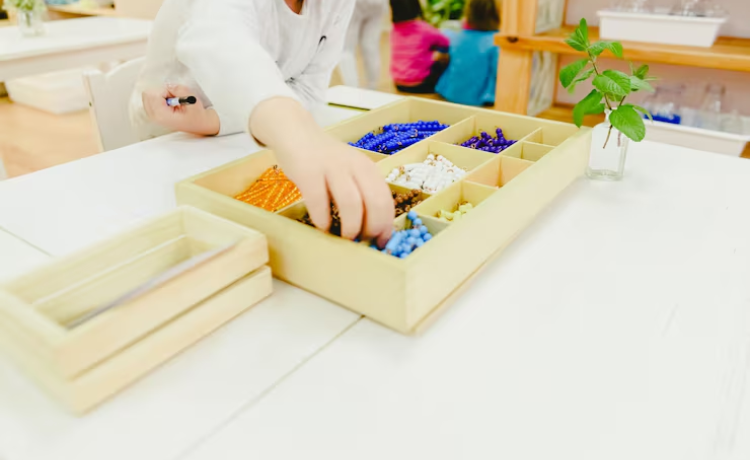
A sensory table is a waist-high container, typically filled with materials designed to stimulate a child’s senses. Often called sensory bins, these tables serve as dedicated spaces for tactile exploration. Children can touch, scoop, pour, and manipulate the contents, which can range from sand and water to rice, pasta, or even shaving cream. This kind of hands-on interaction is a fundamental form of sensory play.
The concept isn’t new; educators like Maria Montessori have long championed the importance of sensory learning in early childhood education. However, the modern sensory table has evolved into a highly versatile tool. Today, you can find traditional wooden tables in classrooms, portable plastic bins for easy storage at home, and elaborate setups with multiple compartments. Each type serves the same core purpose: to provide a rich, multi-sensory environment where children can learn through play.
The Importance of Sensory Play in Child Development
Sensory play is more than just fun; it’s a critical component of healthy child development. When children engage their senses, they are building neural pathways in their brains that are essential for more complex learning later on. Research from the University of California, Davis, highlights that sensory experiences help children understand and process the world around them. This type of play supports cognitive growth by encouraging children to experiment, observe, and draw conclusions.
The emotional benefits are just as significant. The calming act of running hands through sand or scooping water can help children self-regulate their emotions and reduce anxiety. It also builds confidence as they master new skills and make their own discoveries. By providing a safe space to explore, sensory tables foster a sense of curiosity and creativity, empowering children to ask questions and invent their own games. This unstructured playtime is vital for developing imagination and social skills when interacting with peers.
Benefits of Sensory Tables for Kids
Sensory tables are powerful developmental tools that offer a wide array of benefits. Engaging with different materials helps children develop problem-solving skills as they figure out how to make a sandcastle stand or what happens when they mix colors in water. This hands-on experimentation lays the foundation for critical thinking.
These activities also significantly improve fine motor skills and hand-eye coordination. Scooping, pouring, and grasping small objects strengthen the muscles in a child’s hands and fingers, which is crucial for tasks like writing and buttoning a shirt. For children with special needs, such as sensory processing disorders or autism, sensory tables can be particularly beneficial. The controlled tactile input can help them process sensory information in a non-overwhelming way, making these autism-friendly activities a valuable part of therapy and daily routines. Group play around a sensory table also encourages social interaction, teaching children to share, communicate, and work together.
How to Set Up a Sensory Table: Step-by-Step Guide
Creating an engaging sensory table is simple with a bit of planning. First, choose a suitable container. This could be a dedicated sensory table or a large, shallow plastic bin that can be placed on the floor or a low table. The key is to ensure it is at a comfortable height for the child.
Next, select your sensory materials. For your base, consider taste-safe options for younger children, like dry rice, pasta, or oats. For older children, sand, water, or even soap foam can be exciting choices. Add tools like scoops, cups, funnels, and small toys to encourage interaction. Always prioritize safety. Avoid materials with small parts for children who might put them in their mouths, and ensure any liquids are at a safe temperature. Supervision is crucial. After playtime, cleaning is simple. Dispose of the used base material, and wash the bin and toys with soap and water to prepare for the next sensory adventure.
Creative Sensory Table Ideas and Themes
One of the best things about sensory tables is their endless versatility. By changing the theme, you can keep the experience fresh and exciting. Seasonal themes are always a hit. For a winter wonderland, use cotton balls for snow, add blue gems for ice, and include small animal figurines. A spring garden theme could feature black beans as “soil,” artificial flowers, and small gardening tools.
You can also create themes based on a child’s interests. An ocean exploration table might have water with blue food coloring, seashells, and plastic sea creatures. For a farm theme, use corn kernels or oats as a base and add toy tractors and farm animals. Don’t be afraid to create multi-sensory experiences by mixing textures, adding a few drops of food-safe scents like vanilla, or using colored rice to make the table visually vibrant. Adjusting the themes to align with developmental stages ensures the activities remain both fun and educational.
Sensory Tables for Special Needs: Tailoring to Individual Needs
Sensory tables are an invaluable tool in therapy and intervention programs, especially for children with autism or sensory processing disorders. Customizing the table to meet individual needs can provide a safe and effective way for children to explore sensory input. For a child who is sensitive to touch, start with dry, smooth materials like rice or lentils. For a child who seeks sensory input, materials with more texture, like wet sand or water beads, can be beneficial.
The goal is to create a positive, non-threatening experience. It’s important to observe how a child responds and adjust the materials accordingly. For example, some children may find scented playdough calming, while others might prefer unscented. A 2021 study in the Journal of Autism and Developmental Disorders noted that structured sensory activities can help reduce repetitive behaviors and improve engagement in children with autism. By tailoring the sensory table, it becomes a powerful instrument for sensory integration therapy, helping children better process their environment.
DIY Sensory Tables: How to Create Your Own at Home
You don’t need to spend a lot of money to create a fantastic sensory experience at home. A DIY sensory table can be made easily and affordably. A large, under-the-bed storage bin is a perfect, cost-effective option. You can also use two smaller bins placed side-by-side to offer different materials at once.
For the base materials, look no further than your pantry. Dried pasta, beans, lentils, rice, and oats are all great choices. You can color rice easily with food coloring and a little vinegar for a vibrant touch. Collect scoops, measuring cups, and funnels from your kitchen, and add small toys from around the house. When creating a homemade sensory table, remember to prioritize safety and cleanliness just as you would with a store-bought version.
Best Sensory Tables to Buy: Reviews and Recommendations
If you prefer to purchase a sensory table, there are many excellent options on the market. When choosing, consider factors like durability, size, portability, and ease of cleaning. Wooden tables are often sturdy and aesthetically pleasing but can be heavier and more expensive. Plastic tables are lightweight, easy to clean, and often come with lids for convenient storage.
For toddlers, look for tables that are low to the ground and have rounded edges. The ECR4Kids Sand and Water Table is a popular choice for its durability and included lid. For older children or classroom settings, the Jonti-Craft Sensory Table offers a larger, deeper bin and adjustable heights. Always read reviews and compare features to find the sensory table that best fits your space, budget, and needs.
Sensory Table Activities: Fun and Educational Ideas
A sensory table is a fantastic platform for a wide range of educational activities. You can easily incorporate learning concepts into play. For math skills, hide numbers in the sand for children to find, or have them sort objects by size or color. For science, explore concepts like sinking and floating in a water table. Language development can be encouraged by introducing new vocabulary related to the theme, like “slimy,” “gritty,” or “smooth.”
Sensory tables are also great for STEM learning. Children can practice engineering by building structures with blocks in sand, or explore technology by using funnels and tubes to create a water-flow system. Group activities, such as working together to “excavate” dinosaur fossils from sand or taking turns “cooking” in a pretend kitchen with pasta, promote cooperation and social skills.
Tips for Maximizing the Benefits of Sensory Tables
To get the most out of your sensory table, encourage child-led learning. Allow children to explore the materials independently, without a specific goal in mind. This fosters creativity and problem-solving. While independent play is valuable, adult involvement can also enhance the experience. Sit with your child, ask open-ended questions like “What does that feel like?” or “What do you think will happen if…?”, and model different ways to play.
Keep the sensory table engaging by rotating the materials and themes regularly. A new theme can reignite a child’s interest and provide new learning opportunities. Finally, observe children as they play. This will give you insight into their developmental progress and interests, allowing you to better guide their learning and tailor future activities to their needs.
Also Check: “sewing table“
A Gateway to Learning and Discovery
Sensory tables are far more than just play furniture; they are essential tools for early childhood development. Their versatility allows for endless creativity, supporting cognitive, motor, and emotional growth for all children, including those with special needs. By providing a rich, hands-on environment, these tables encourage curiosity, build confidence, and make learning a joyful experience. Whether you choose to buy one or create your own, incorporating a sensory table into a child’s routine is a powerful way to support developmental milestones through play-based learning.
We invite you to start this sensory adventure today. For more ideas and resources, check out our recommended links for DIY setups and top-rated products.
Frequently Asked Questions
What age is appropriate for a sensory table?
Sensory tables are beneficial for a wide range of ages, typically from toddlerhood (around 18 months) through early elementary school (up to age 7 or 8). For toddlers, it’s crucial to use taste-safe materials and provide close supervision. As children get older, the themes and materials can become more complex to match their developmental stage.
How do I keep a sensory table clean?
Establish clear rules, such as keeping materials inside the bin. Place a mat or old sheet underneath the table to catch spills, making cleanup easier. After play, store dry materials in airtight containers for reuse, and dispose of wet or messy materials. Regularly wash the table and all toys with soap and water to maintain hygiene.
What are some taste-safe sensory table fillers?
For young children who may put things in their mouths, taste-safe fillers are essential. Great options include cooked pasta, Jell-O, yogurt, whipped cream, or a mix of cornstarch and water (oobleck). Dry options like uncooked rice, oats, or cheerios also work well, but always require supervision.
How can a sensory table help with my child’s anxiety?
The repetitive and tactile nature of sensory play can be very calming for anxious children. Activities like pouring water, sifting sand, or squeezing playdough can help them self-regulate their emotions and provide a healthy outlet for stress. It offers a focused, low-demand activity that can be very grounding.
Can sensory tables be used for more than just sensory exploration?
Absolutely. Sensory tables are fantastic tools for introducing academic concepts in a fun way. You can use them to teach math by counting objects, science by exploring material properties, and language by introducing new vocabulary. They are also excellent for developing fine motor skills and encouraging imaginative play.